
Oil and gas
Over 55% of global energy relies on oil and gas, but the development of new oil and gas resources poses a significant global climate threat and stranded asset risk as the world progresses toward clean energy targets.
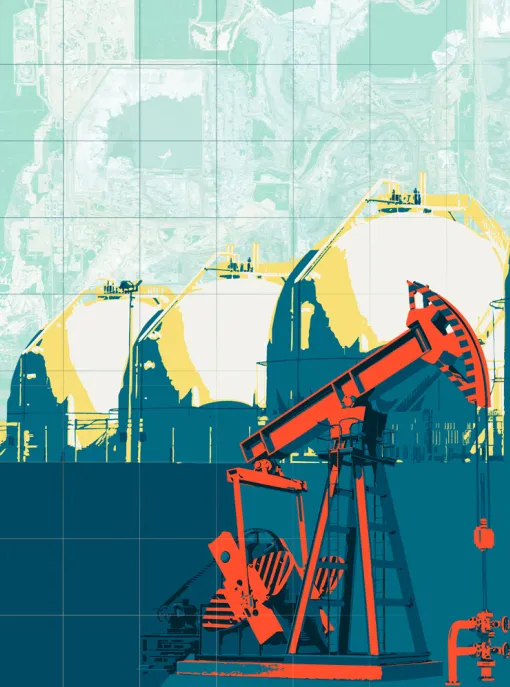
Companies have approved at least 182 oil and gas fields since 2021, permitting billions of barrels of oil and gas to be extracted.
Globally, 250,000 km of oil, gas, and natural gas liquids (NGL) pipelines are currently in development.
There is 1,000 Mtpa of liquefied natural gas (LNG) export capacity proposed or in construction, which could tip global gas markets even further into oversupply in the coming years.
The U.S. has the most gas-fired power capacity in development, surpassing China in 2025 and accounting for nearly one-quarter of the world’s in-development total.
Oil and gas trackers
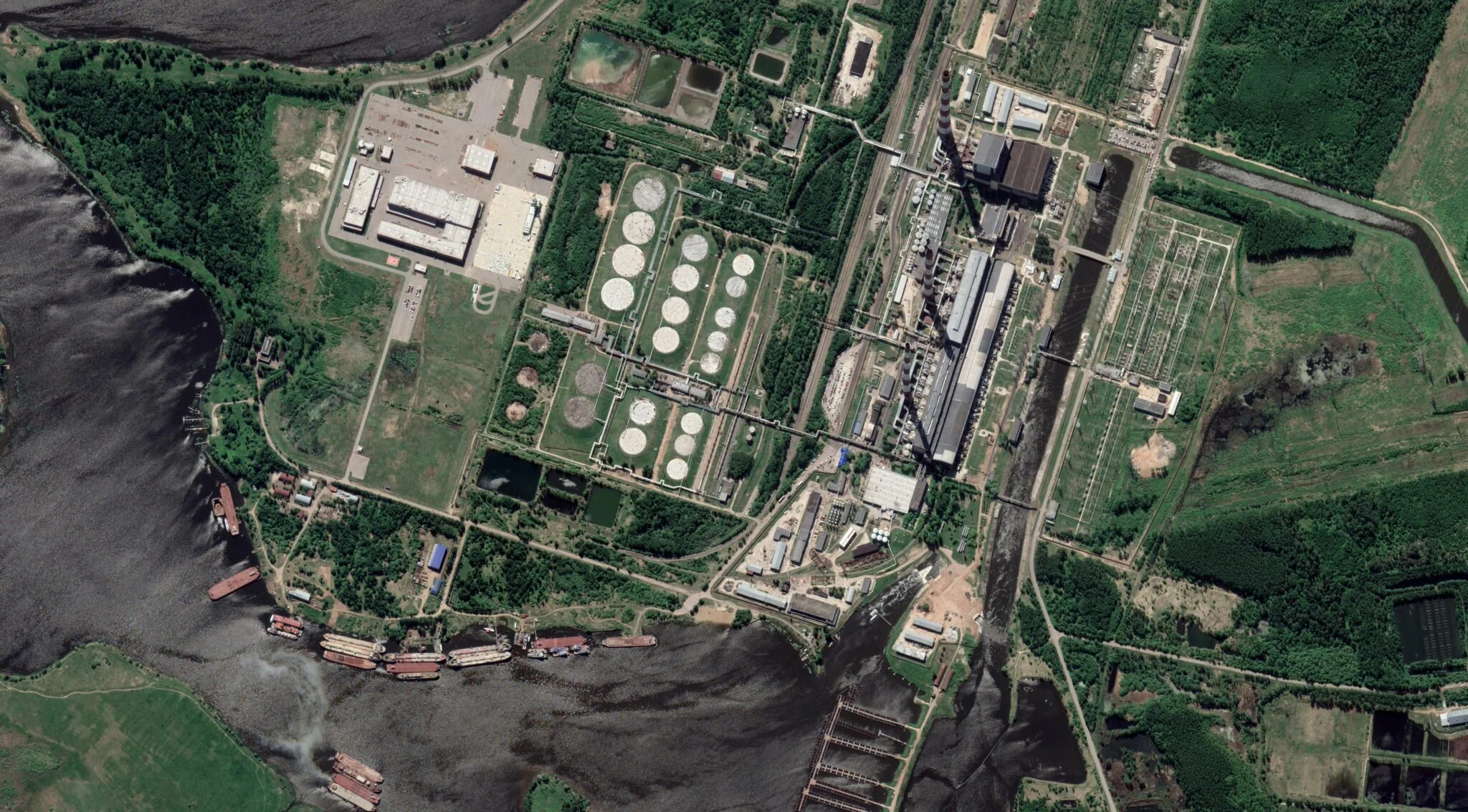
The Global Oil and Gas Plant Tracker is a worldwide dataset of oil- and gas-fired power plants.
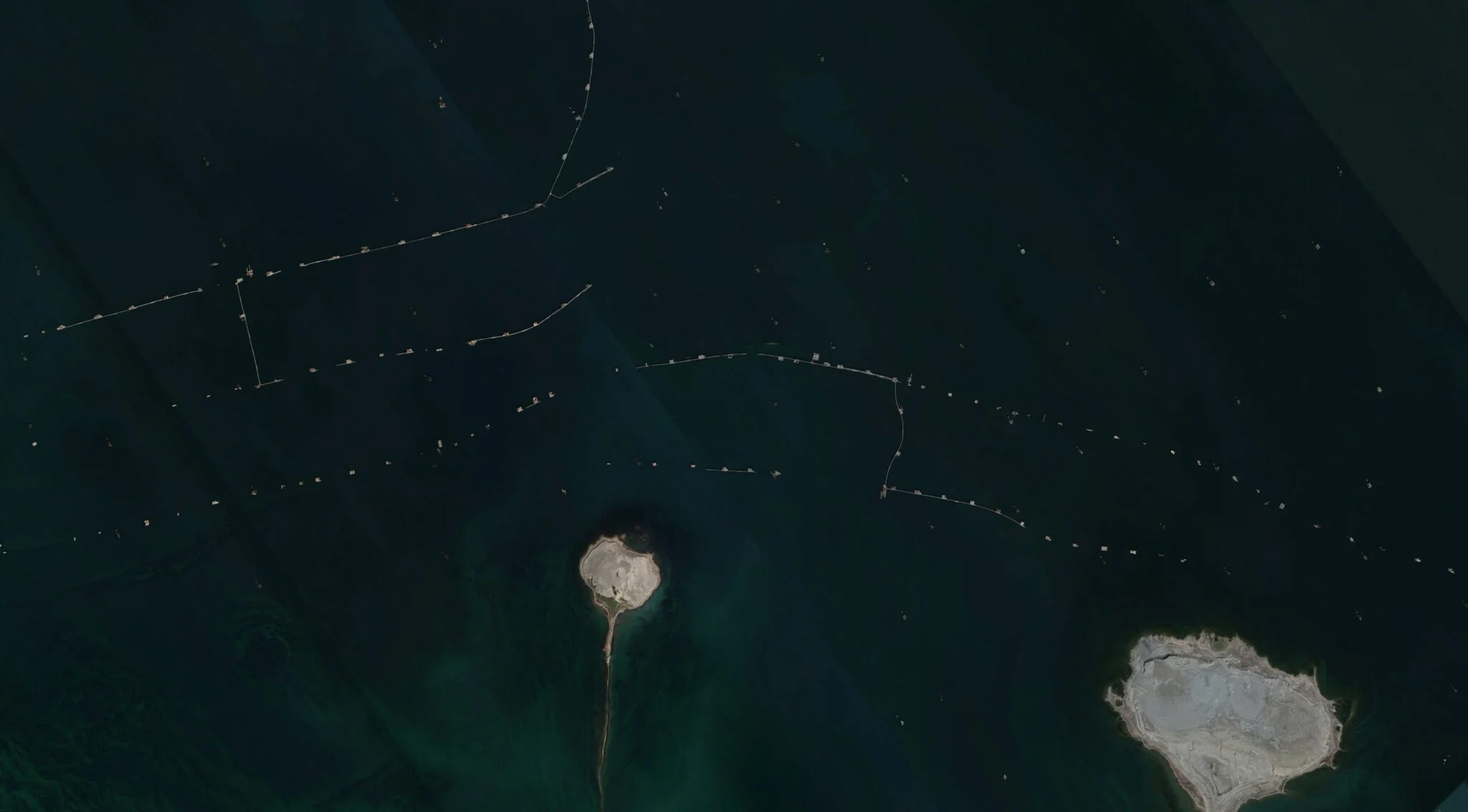
Covering oil and gas fields from discovery to decommissioning, GOGET provides data on the location, ownership, production, and reserves of oil and gas...
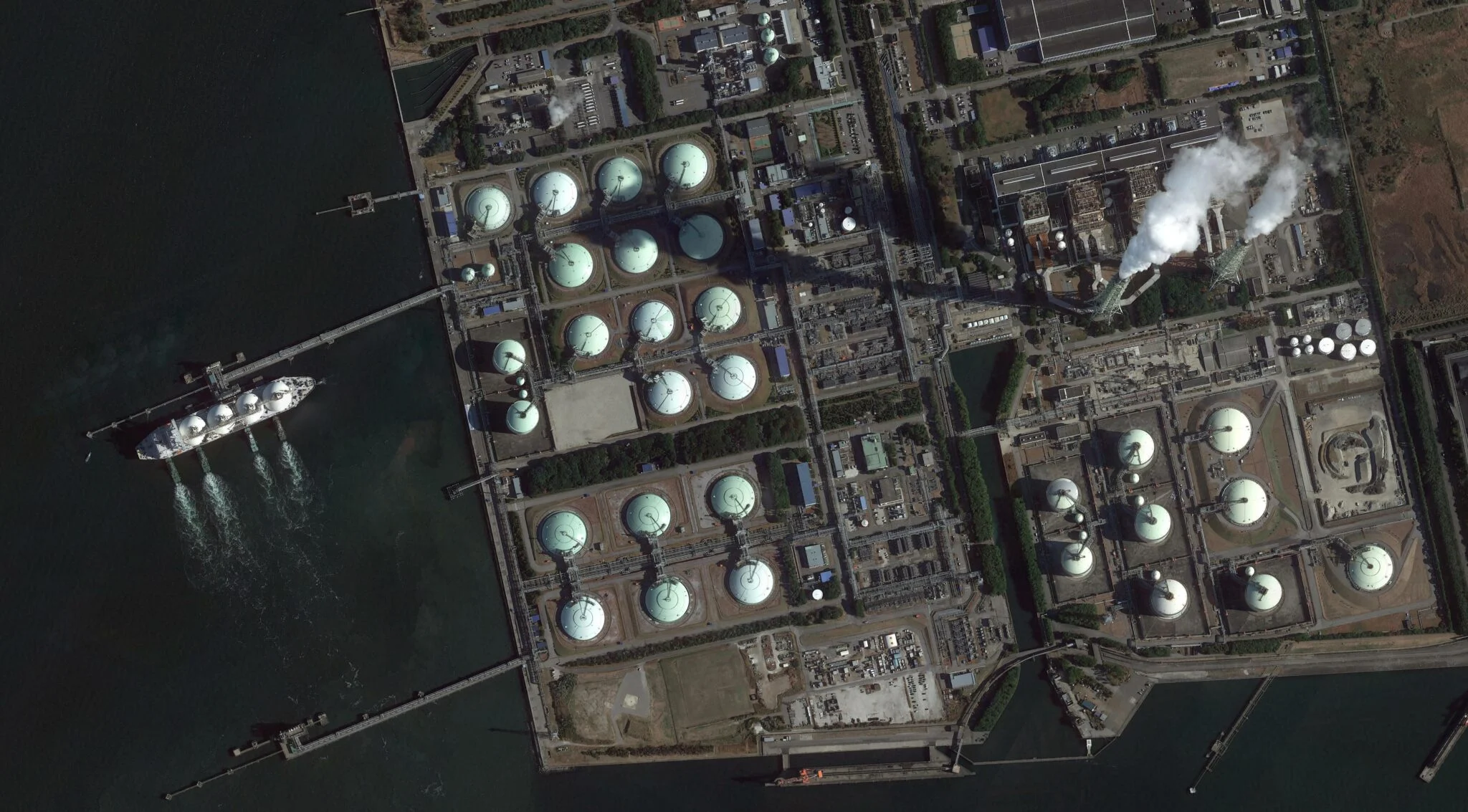
The Global Gas Infrastructure Tracker (GGIT) gathers asset-level data on gas transmission pipeline projects and liquefied natural gas import and expor...
The Global Oil Infrastructure Tracker (GOIT) catalogs midstream oil and natural gas liquids transmission pipeline infrastructure, with asset-level dat...
Overview
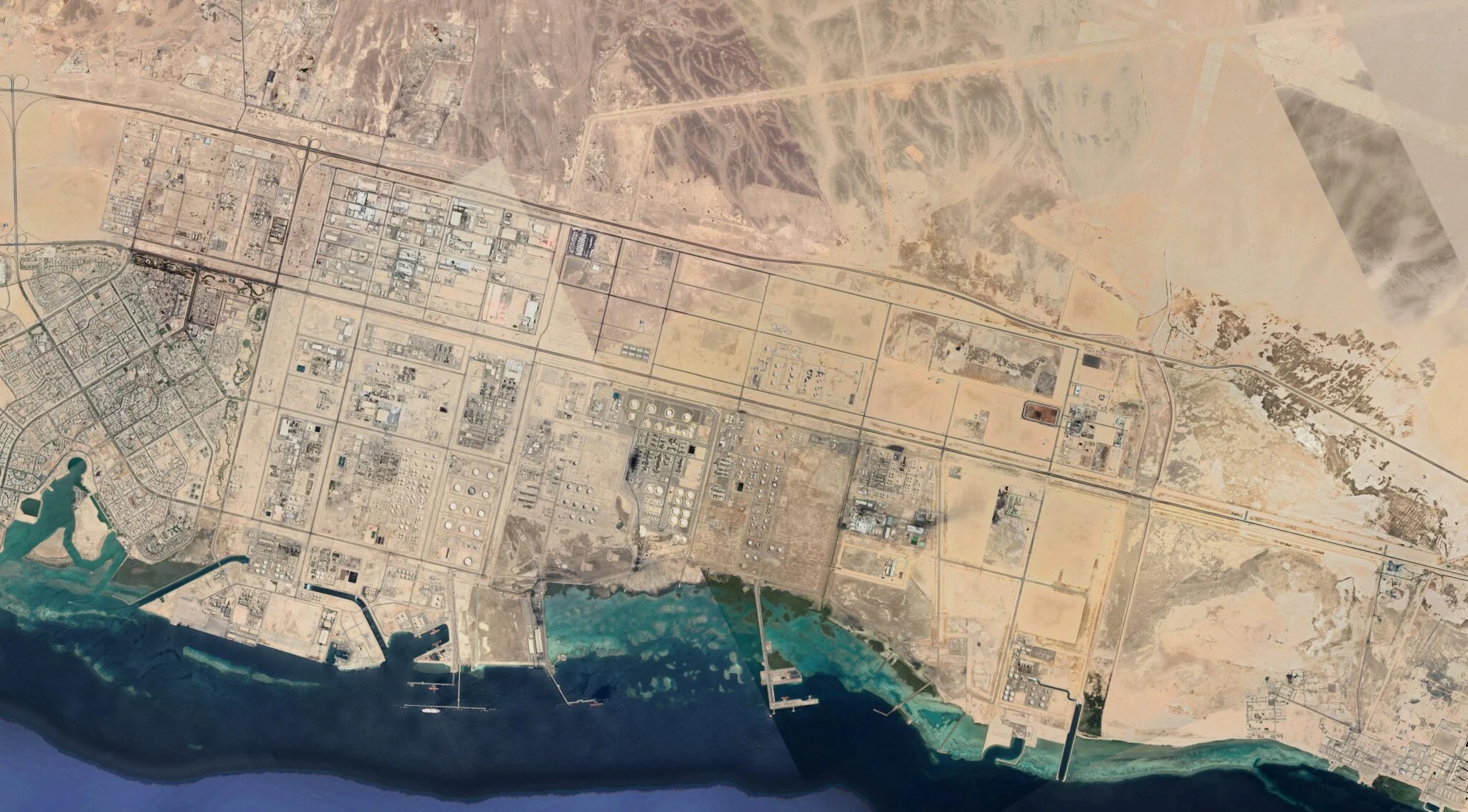
Oil and gas infrastructure at all levels of the value chain continue to expand in all regions.
GEM data show oil and gas fields in pre-production and production in every region of the world. To transport these fuels to market, oil, gas, and natural gas liquids (NGL) pipeline networks continue expanding worldwide, with nearly 250,000 kilometers currently in development, enough to circle the world more than six times.
LNG import and export terminals are proliferating as the global liquefied natural gas (LNG) market expands. Five countries — the United States, Russia, Canada, Mexico, and Qatar — account for roughly three-quarters of planned export capacity. Meanwhile, import terminals are in development throughout Asia, Europe, and South America as the industry generates demand through infrastructure lock-in and long-term contracts.
In 2025 alone, the gas power project portfolio increased by nearly a third, driven in part by increased electricity demand from AI. Projects scheduled to come online through 2030 are concentrated in the latter half of the decade, with 2026 poised to set a record for new gas power projects. While the United States leads the globe in gas power in development, Asia dominates regionally, representing over 50% of all new gas power projects in development.
Two critical factors could constrain this buildout. First, turbine supply bottlenecks will delay and may limit plants reaching operation, as two-thirds of projects currently in development have not announced a turbine manufacturer. Second, power proposals cannot exist in a vacuum: They depend on LNG and pipeline projects that have been facing delays. High LNG prices have also made price-sensitive economies, particularly in Asia, reluctant to invest in the fuel, though investment is occurring. Delaying gas lock-in could create openings for renewables to establish a stronger foothold.
Two-thirds of gas power projects in development have not announced a turbine manufacturer.
United States, Russia, Canada, Mexico, and Qatar account for about 75% of all potential new LNG export projects globally.
Latest insights
The latest news and resources from GEM.

Meet the team






Explore our open-source data by theme



© 2026 Global Energy Monitor
All Rights Reserved
440 N Barranca Ave #2878, Covina, CA 91723
Built by 89up