
entities
ownership relationships
assets
Overview
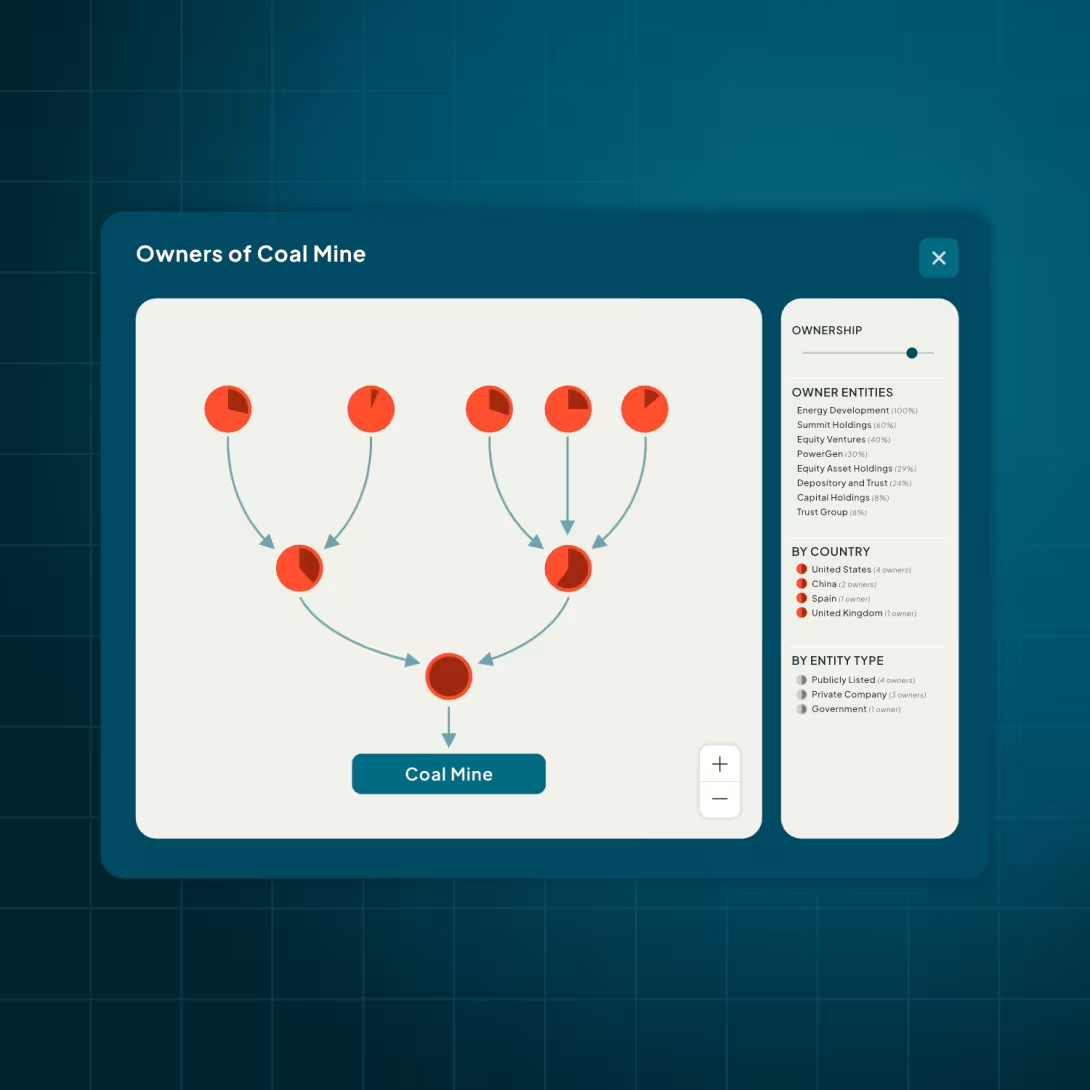
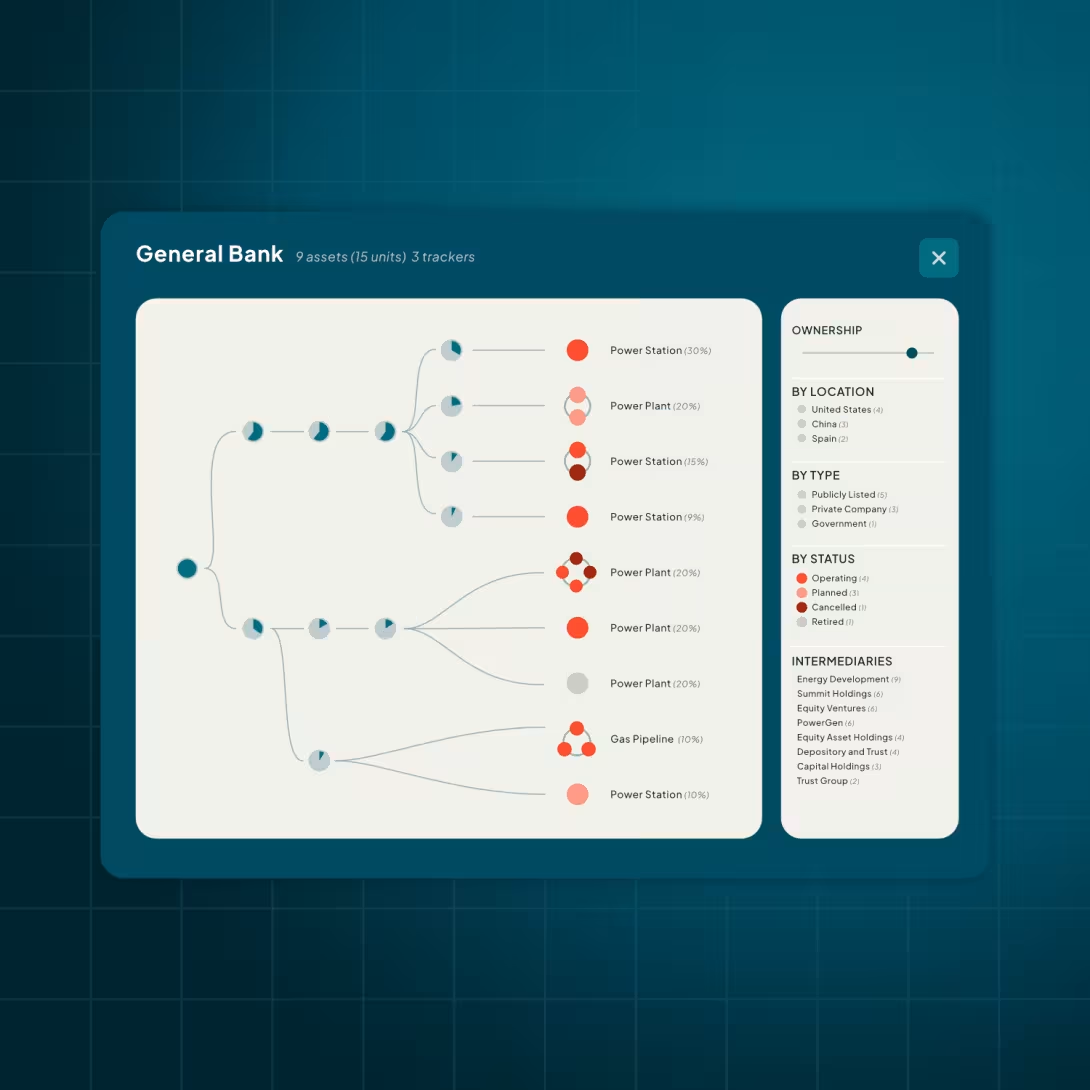
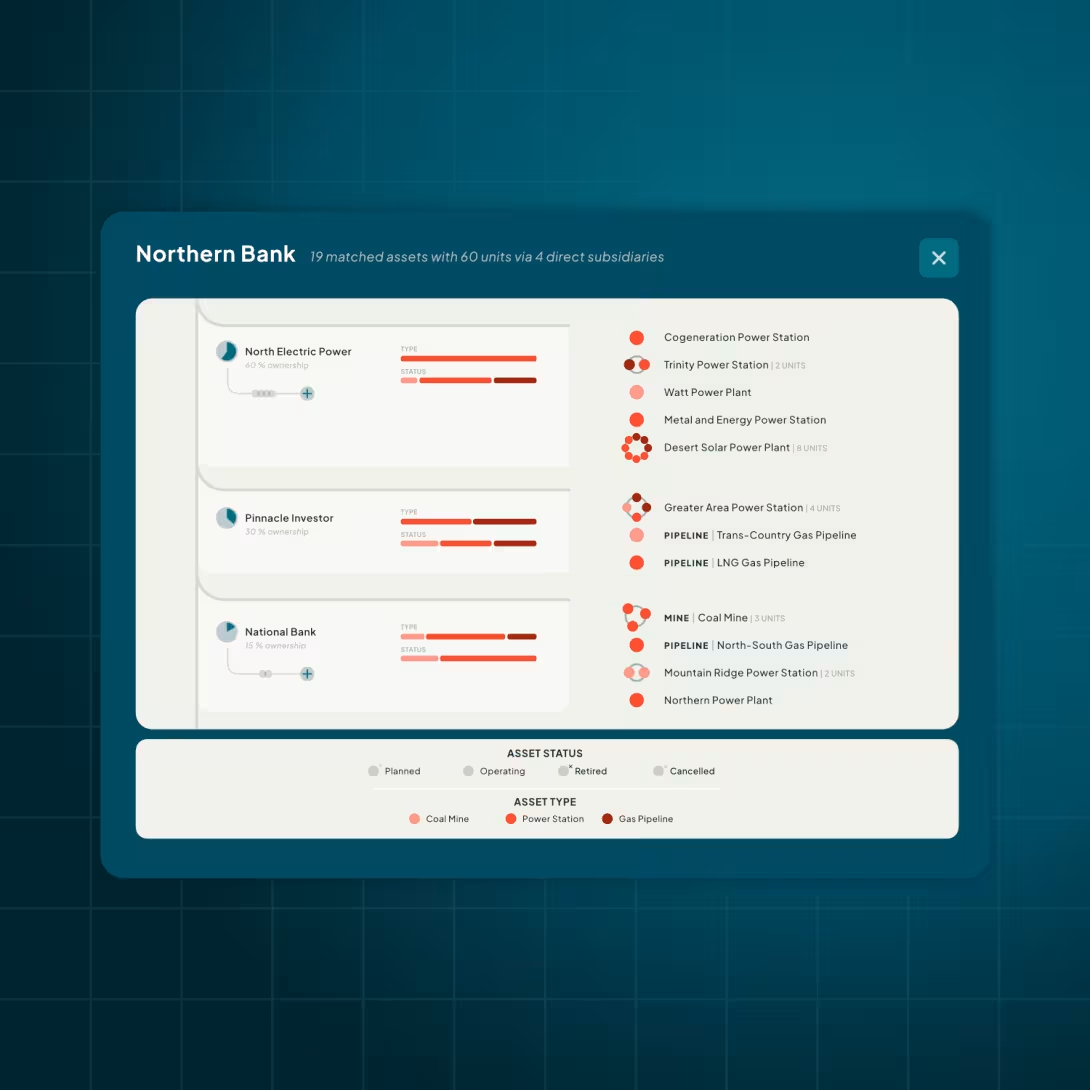
The Global Energy Ownership Tracker provides information on the chain of ownership for various energy projects.
The data maps each level of the chain from the direct owner (as in, the lowest-level identified owner in the chain of ownership) up to their highest-level ultimate parents (e.g., corporations, investment firms, and governments). Ownership links are reported with the percentage of ownership, including owners that have controlling interest as well as those with minority, non-controlling interests (if over a threshold of 5% ownership).
This asset ownership data set covers nine of GEM’s trackers:
- The Global Coal Plant Tracker
- The Global Oil and Gas Plant Tracker
- The Global Coal Mine Tracker
- The Global Iron & Steel Tracker
- The Global Bioenergy Plant Tracker
- The Global Iron Ore Mines Tracker
- Natural Gas Transmission pipelines from the Global Gas Infrastructure Tracker
- Crude oil and natural gas liquid transmission pipelines from the Global Oil Infrastructure Tracker
- Global Cement and Concrete Tracker
Details about how each tracker identifies their assets and what methodologies they follow can be found on each of their respective pages of the GEM website linked above.
U.S.-headquartered entities lead gas power, owning 23% of all tracked gas plant capacity — more than double China's share.
Only 2,133 of 27,980 entities (7.6%) are publicly listed, meaning the vast majority of global energy ownership sits with private or state actors.
What's inside?

Meet the team
If you have questions about this project, please contact the Project Manager, Anna Mowat.
Get in touch



Related projects
The tracker maps private equity ownership of global energy assets, linking firms to fossil fuel companies, infrastructure, emissions, and financial ri...
The Global Gas Finance Tracker (GGFT) covers project-specific finance transactions for in-development LNG terminals and gas-fired power plants. Curren...
Tracks global financial flows to coal power projects, identifying lenders, investors, deal terms, and financing timelines at the asset level.
Methodology
Frequently asked questions
Contact
For questions about the Global Energy Ownership Tracker, contact Anna Mowat: