
country/areas included
coal, gas, oil, and bioenergy power plant units
wind, solar, hydro, geothermal, and nuclear power units
upstream and midstream oil, gas, and coal assets

Overview
The Latin America Energy Tracker synthesizes asset-level data for roughly 18,000 energy projects throughout Latin America and the Caribbean, including oil, gas, coal, solar, wind, bioenergy, hydroelectric, geothermal, and nuclear infrastructure.
GEM’s Latin America Energy Tracker showcases LAC’s renewable energy leadership, while also documenting its ongoing reliance on fossil fuels. The tracker's maps facilitate a clearer understanding of the regional energy landscape, illustrating, for example, the distribution of wind and solar projects across geographies or the interconnections among oil and gas fields, pipelines, power plants and LNG terminals. Each project on the map is backed up by a detailed wiki page citing original public data sources.The tracker also includes links to government datasets, geoportals, NGO reports, and other valuable resources.
Some Latin American nations, including Paraguay, Uruguay, and Costa Rica, already source nearly all of their electricity from renewables. Hydropower, long a mainstay of LAC’s electricity grid, represents more than half of installed capacity in several countries, including Colombia, Ecuador, and Venezuela. In Brazil, Chile, and elsewhere, the region is also becoming a global wind and solar leader, with 123 gigawatts (GW) of operating capacity and 585 GW of prospective projects, capitalizing on world-class resources in places like the Atacama Desert, Patagonia, northeastern Brazil, and northwestern Mexico.
Obstacles to renewables adoption persist, including insufficient transmission and storage infrastructure, financing challenges, and land-use conflicts with local communities. Installed fossil fuel capacity still exceeds renewable capacity in many countries, including Mexico, Argentina, Bolivia and most Caribbean nations.
Petroleum producers Mexico, Brazil, Argentina and Colombia account for more than two-thirds of the region’s 142 GW of operating oil and gas plant capacity, and more than 90% of its 71 GW of prospective capacity. While the region shelved its last remaining coal plant proposal in 2025, Brazil, Mexico, Colombia, Chile, and the Dominican Republic continue to operate more than 13 GW of coal plants with no fixed retirement date.
In the midstream and upstream sectors, Argentina and Mexico have announced massive new pipelines and export terminals to accelerate hydrocarbons exports from Vaca Muerta and Texas’ Permian Basin. Meanwhile, Guyana, Brazil, Venezuela, Suriname, and Trinidad and Tobago are emerging as hotspots for new oil and gas development.
Renewables already account for more than half of installed capacity in twelve Latin American nations.
Regional powerhouse Brazil ranks in the top five globally for operating wind, solar, hydro, and bioenergy capacity, and second in prospective wind capacity.

Meet the team
If you have questions about this project, contact the Project Manager, Gregor Clark.
Get in touch





Related projects
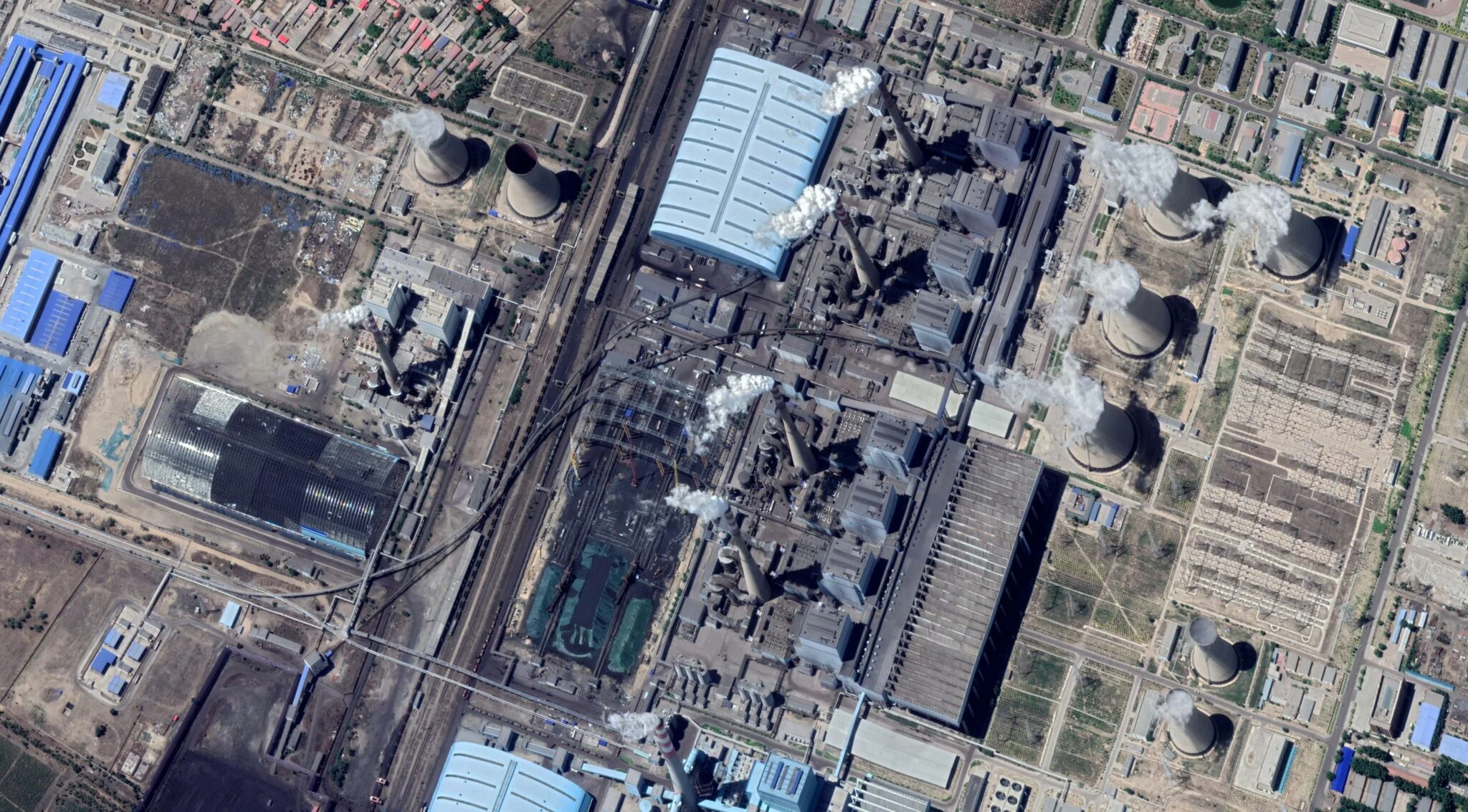
The Global Coal Plant Tracker catalogues coal-fired power units worldwide. The tracker monitors every unit with a capacity of 30+ megawatts, including...
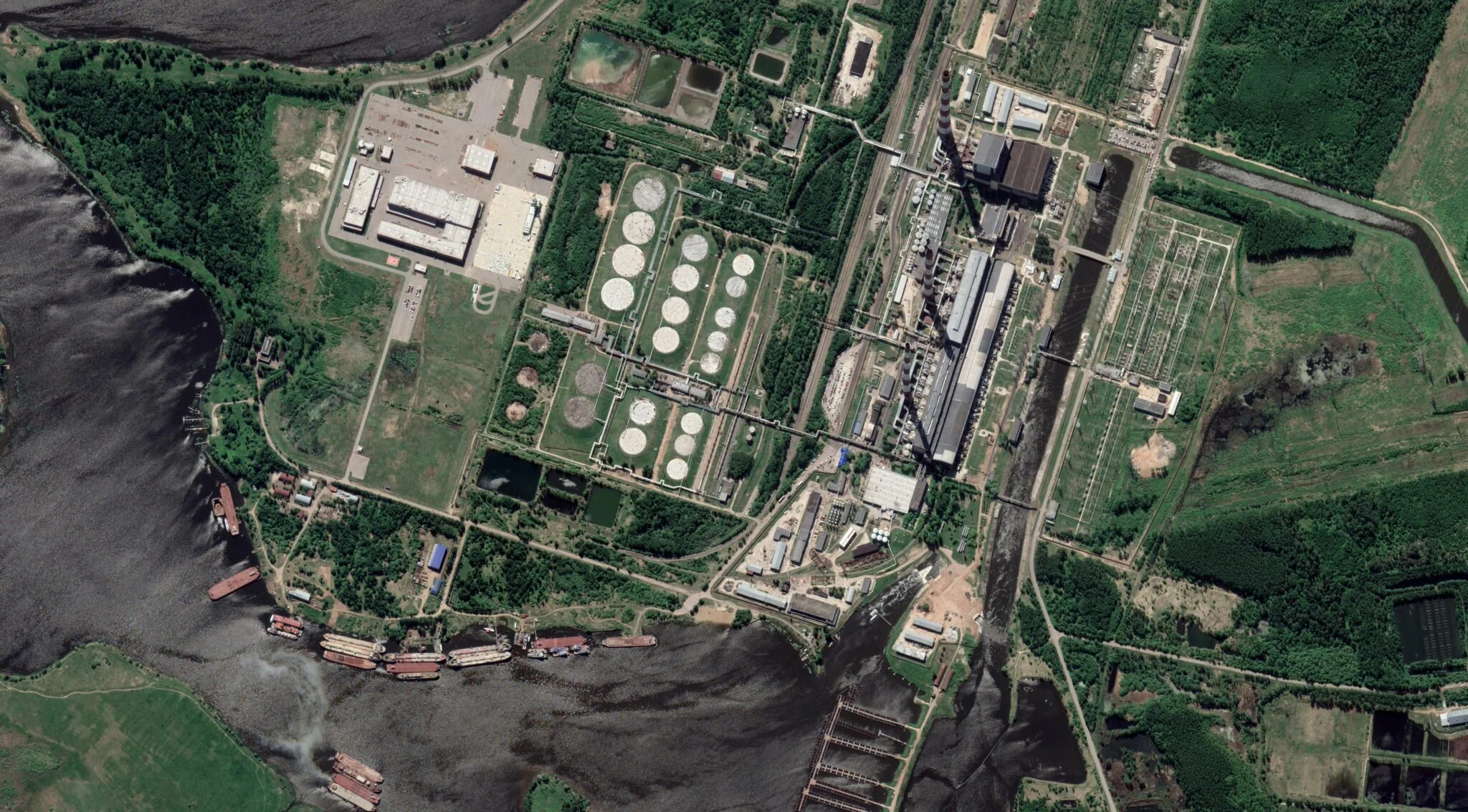
The Global Oil and Gas Plant Tracker is a worldwide dataset of oil- and gas-fired power plants.
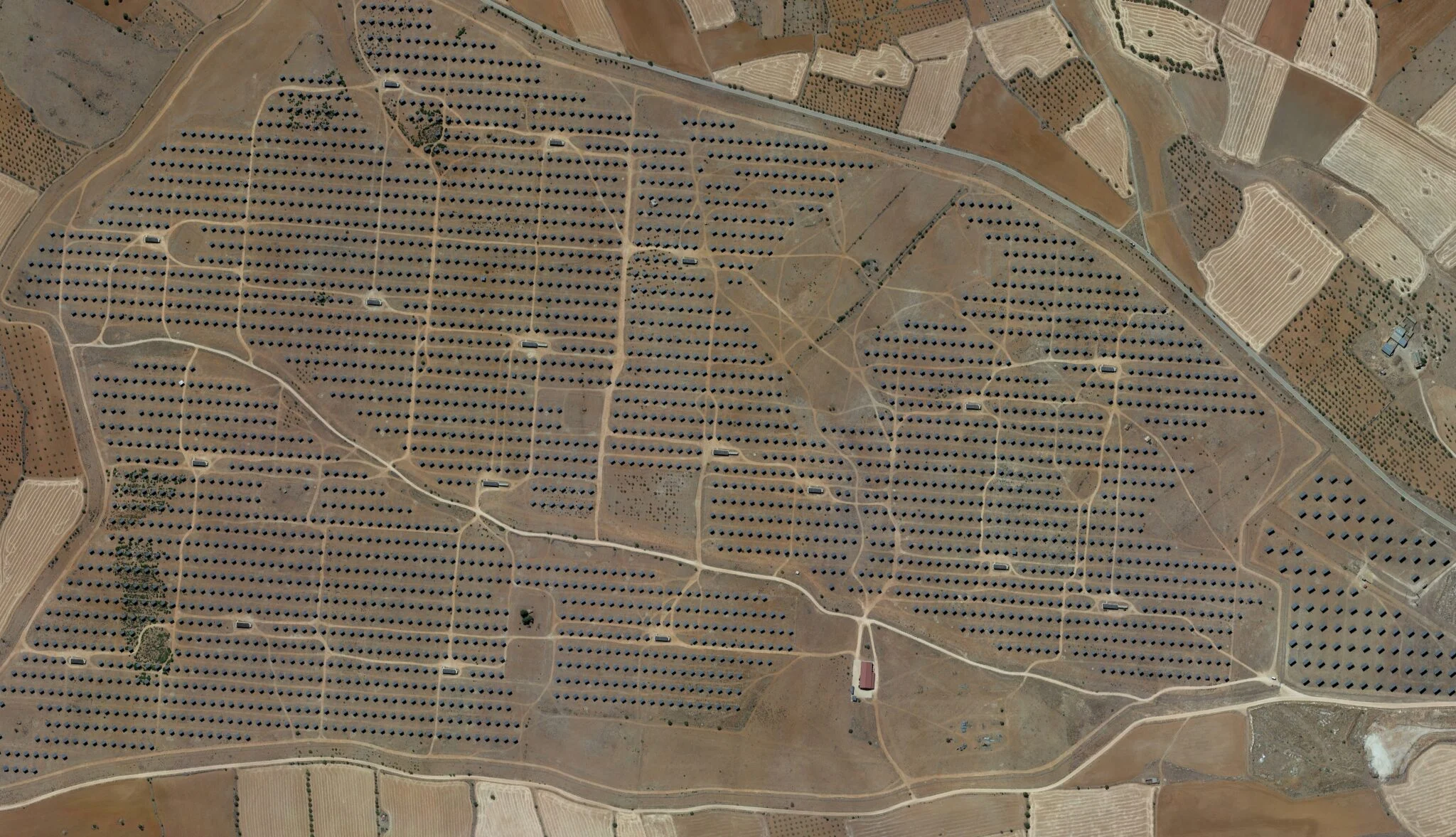
The Global Solar Power Tracker consists of worldwide facility-level data on utility-scale solar power facilities, as well as country-aggregated distri...
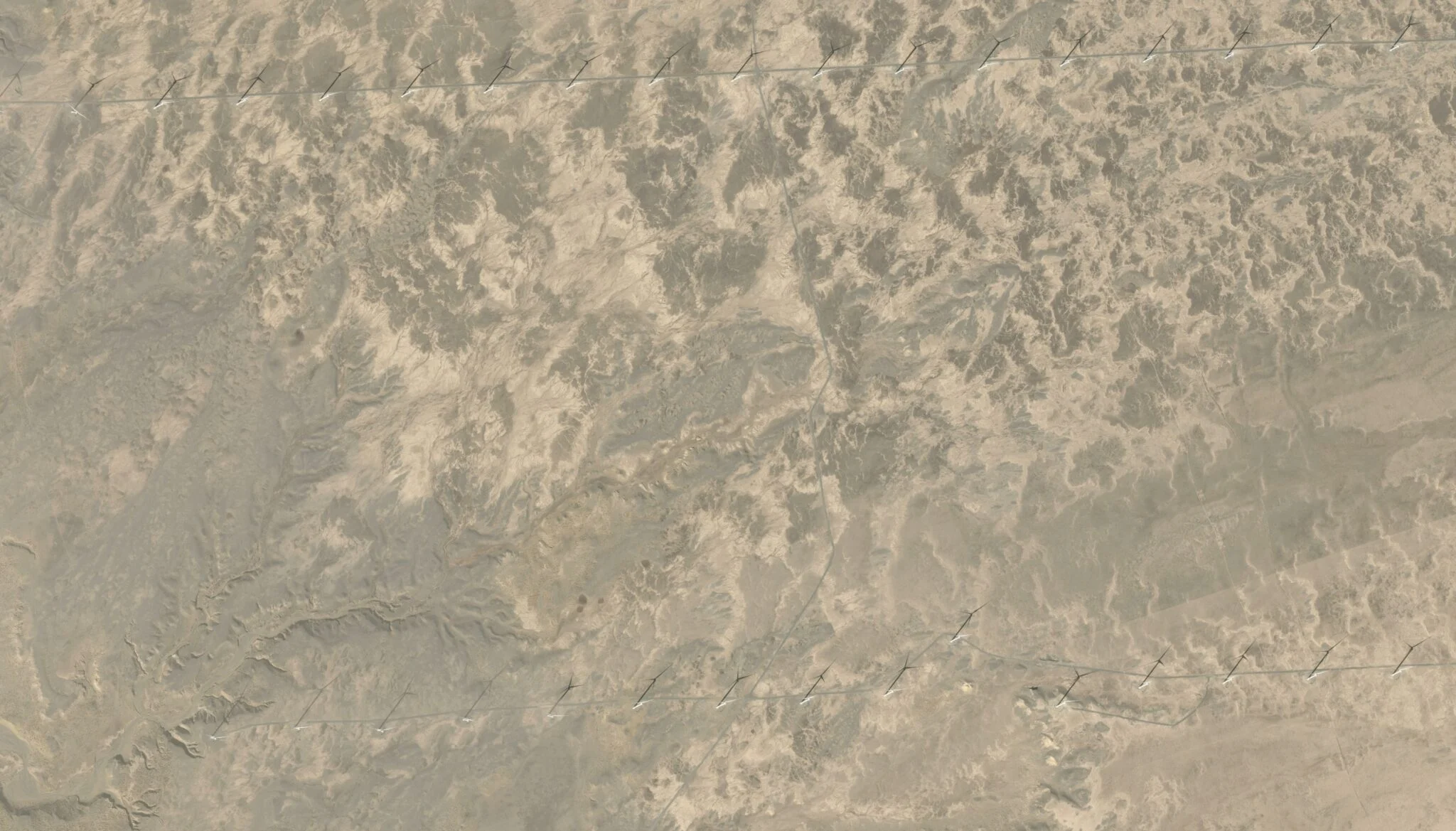
The Global Wind Power Tracker is composed of worldwide facility-level data for utility-scale onshore and offshore wind power facilities (10 MW+).
Contact
For questions about the Latin America Energy Tracker, contact Gregor Clark: