
Heavy industry
Steel, cement, and chemicals account for about 70% of global industrial carbon dioxide emissions. Decarbonizing these sectors requires transparent, asset-level data on production pathways, fuels, and emerging technologies.
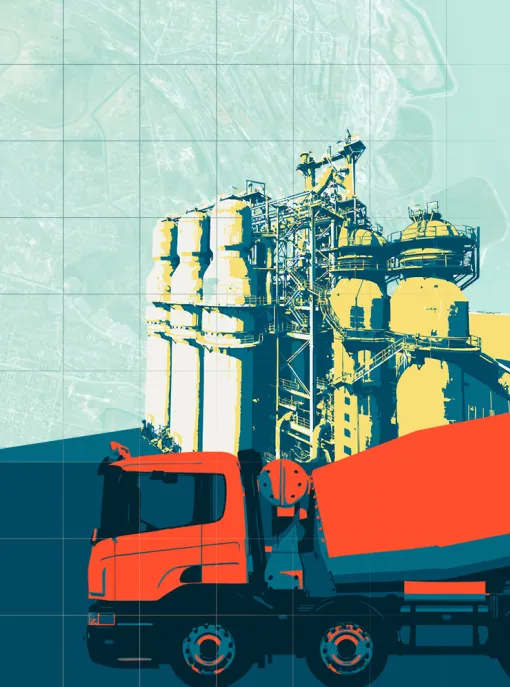
Blast furnaces that rely on coal-based and emissions-intensive ironmaking units have no plans for retirement in 89% of facilities.
The blast furnaces under development globally could add 660 million tonnes of CO2e emissions per year.
As of 2025, China and India are the top producers of steel and cement globally, while India leads new capacity development in both sectors.
Over 40 chemical feedstocks have been identified for the production of the eight “building block” chemicals in GEM’s chemicals tracking.
Heavy industry trackers
The Global Iron and Steel Tracker (GIST) provides asset-level data on global crude iron and steel plants, covering operating, developing, and retired ...
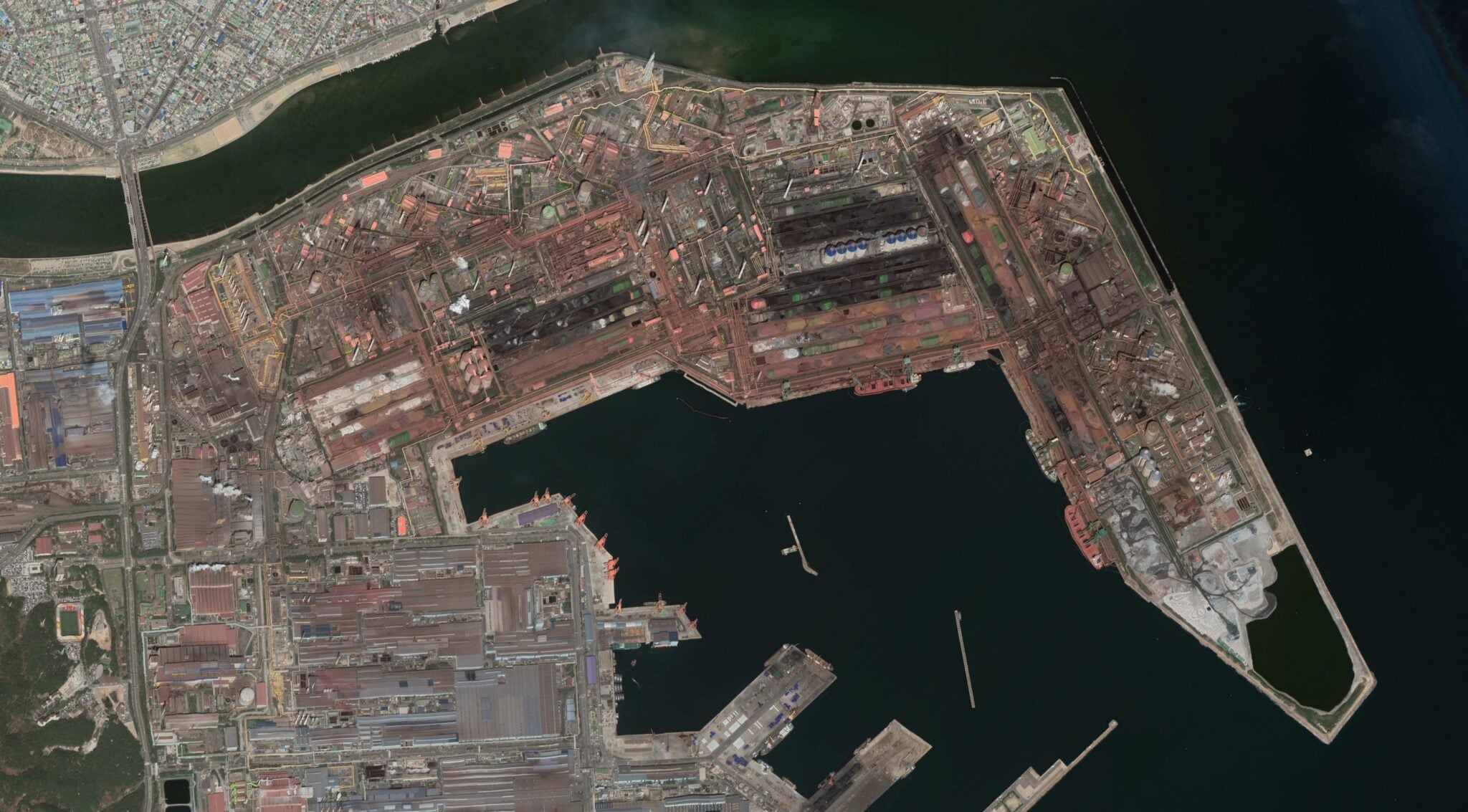
The Global Cement and Concrete Tracker (GCCT) provides asset-level data on global cement and clinker plants, covering capacity, ownership, operating s...
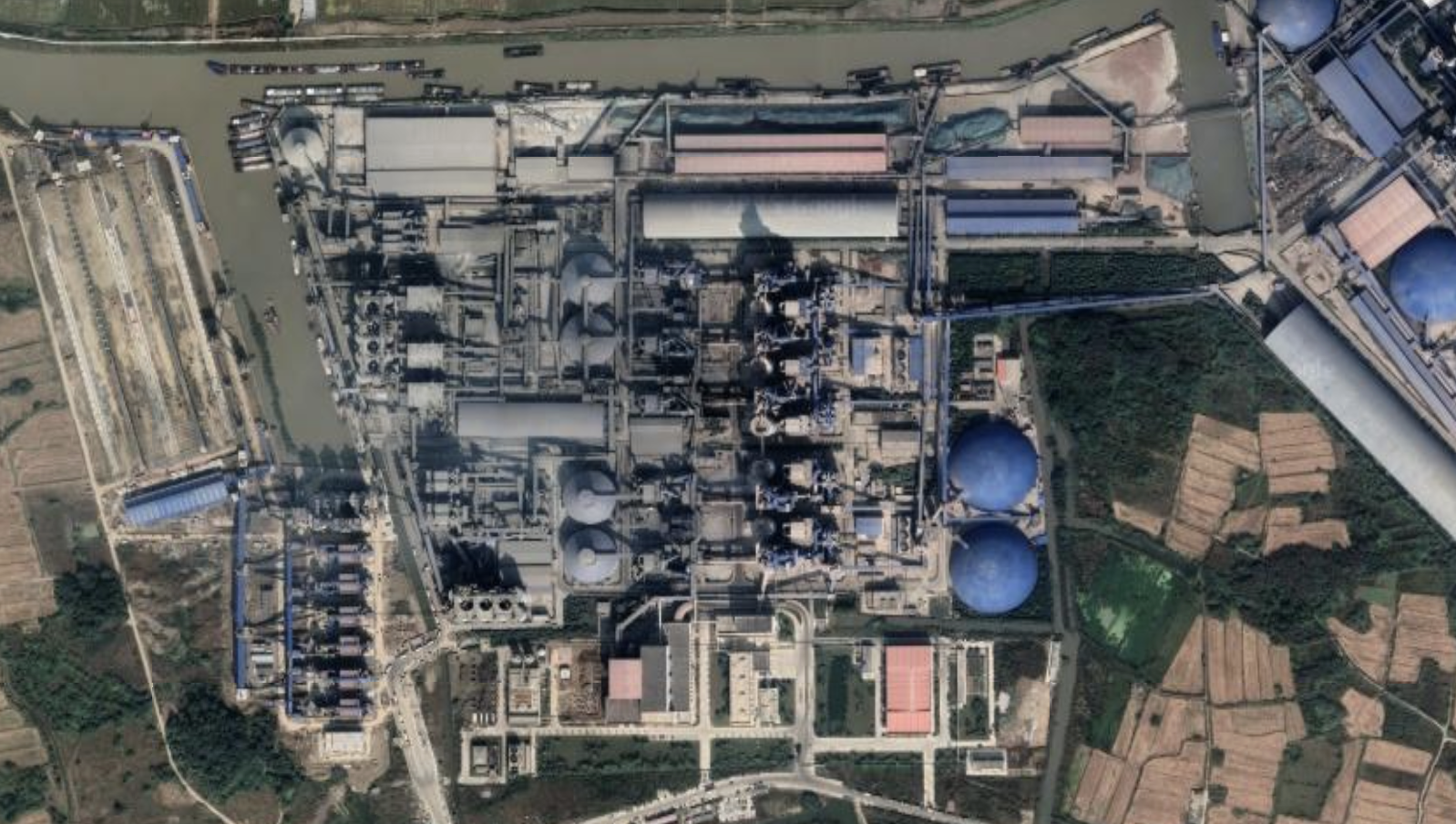
The Global Iron Ore Mines Tracker (GIOMT) provides information on global iron ore mines and includes all operating, proposed, shelved, retired or moth...

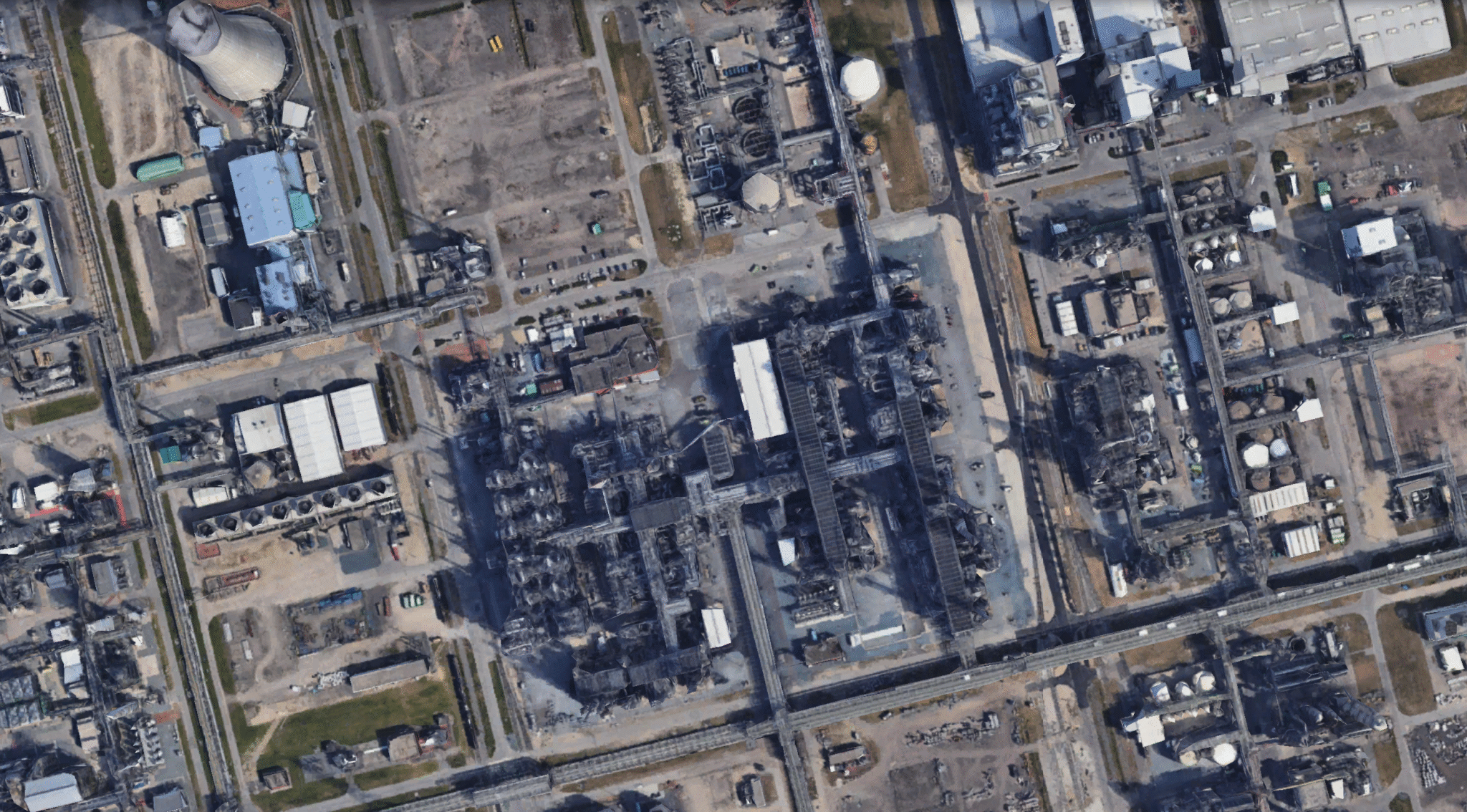
The Global Chemicals Inventory (GChI) provides information on global production of eight “building block” chemicals: ethylene, propylene, and butadien...
Overview
Heavy industry is at a crossroads: Global demand is rising, but decarbonization requires shifting technology, fuels, and energy sources to meet climate goals.
The industrial sector accounts for more than a third of global energy use and a quarter of CO2 emissions from the global energy system. Iron and steel, cement, and chemicals, account for the largest share of these emissions and are among the most challenging parts of the energy transition. Industrial emissions are shaped by fuel use, process emissions, production technologies, and energy sources. New plants, expansions, and refurbishments can lock in emissions for decades, while retirements and technology transition decisions can rapidly change regional emissions trajectories.
GEM’s heavy industry program develops and analyzes free-to-use, open source, asset-level data to make these sectors visible and measurable, documenting facility locations, ownership, capacity, production pathways, and key indicators relevant to decarbonization.
GEM’s work highlights an important reality: Automated approaches alone are not enough. In many regions, manual research and regional specialities remain essential to building comprehensive, accurate inventories. By publishing structured datasets and dashboards, GEM helps close persistent information gaps and enables independent analysis of industrial transition pathways aligned with climate goals.
Low-emissions steelmaking technologies are typically operated under capacity and at lower rates than high-emissions technologies.
Africa's cement capacity in development increased by 14% to 60 Mtpa in 2025.
Latest insights
The latest news and resources from GEM.

Meet the team






Explore our open-source data by theme




© 2026 Global Energy Monitor
All Rights Reserved
440 N Barranca Ave #2878, Covina, CA 91723
Built by 89up