
Renewables and other power
Wind and solar capacity serves a vital energy transition role as the world seeks to triple renewables by 2030. Other power sources, including hydropower, geothermal, bioenergy, and nuclear are also important pieces of the puzzle.
In 2025, utility-scale solar led the expansion of the renewables pipeline, growing by 17% and passing 2.2 TW.
40% more nuclear power has been cancelled than proposed: 566 GW of nuclear capacity has been cancelled worldwide, more than what is currently operational (401 GW) or retired (116 GW) combined.
Geothermal power capacity worldwide could double in the next decade to 14 GW.
Offshore wind projects make up a small number of projects planned for operation (16%) but contribute 1.05 TW (42%) of in-development wind capacity. China has emerged as the world’s offshore wind powerhouse — growing from under 5 GW in 2018 to 42.7 GW in 2025.
Renewables and other power trackers
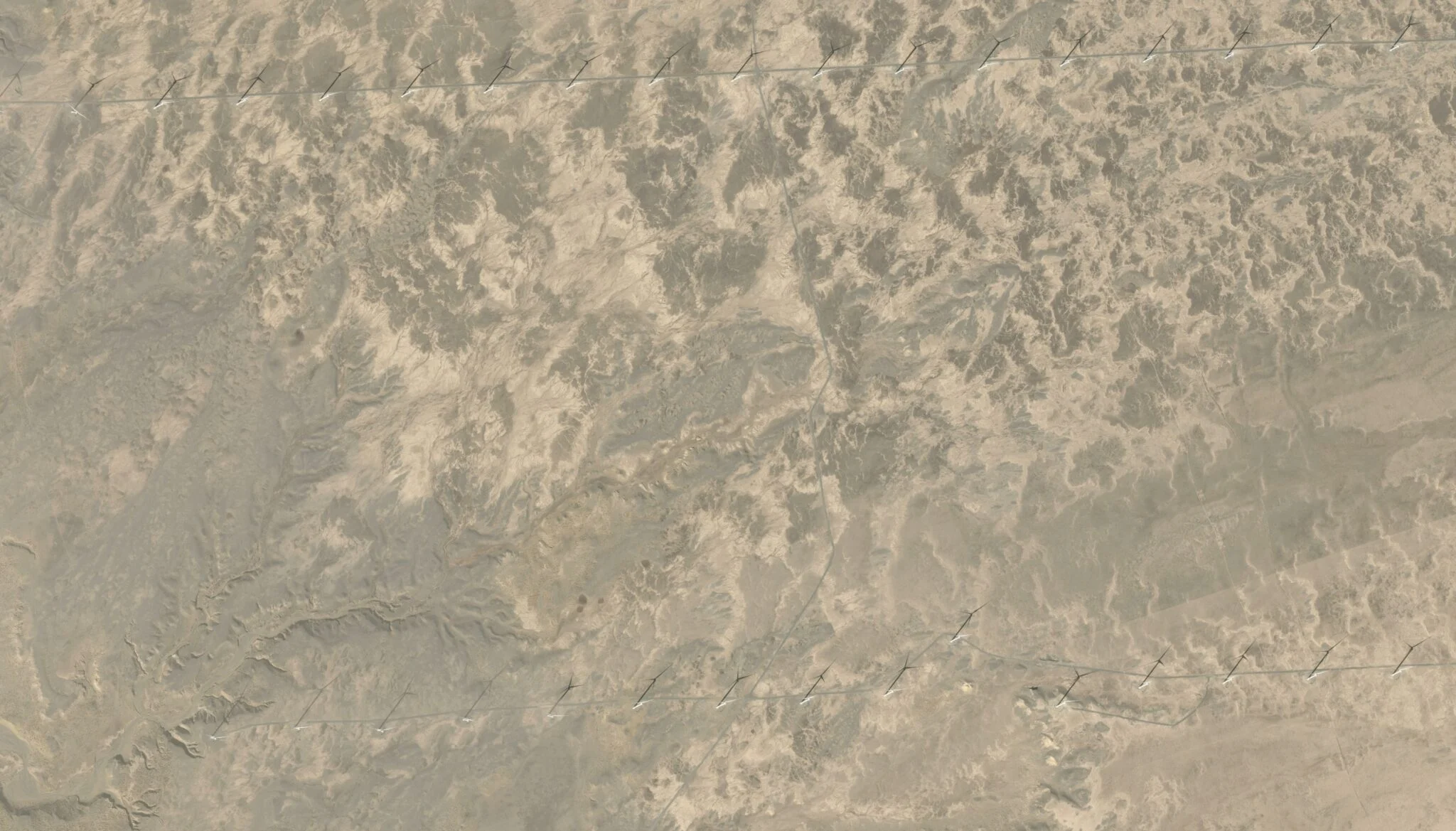
The Global Wind Power Tracker is composed of worldwide facility-level data for utility-scale onshore and offshore wind power facilities (10 MW+).
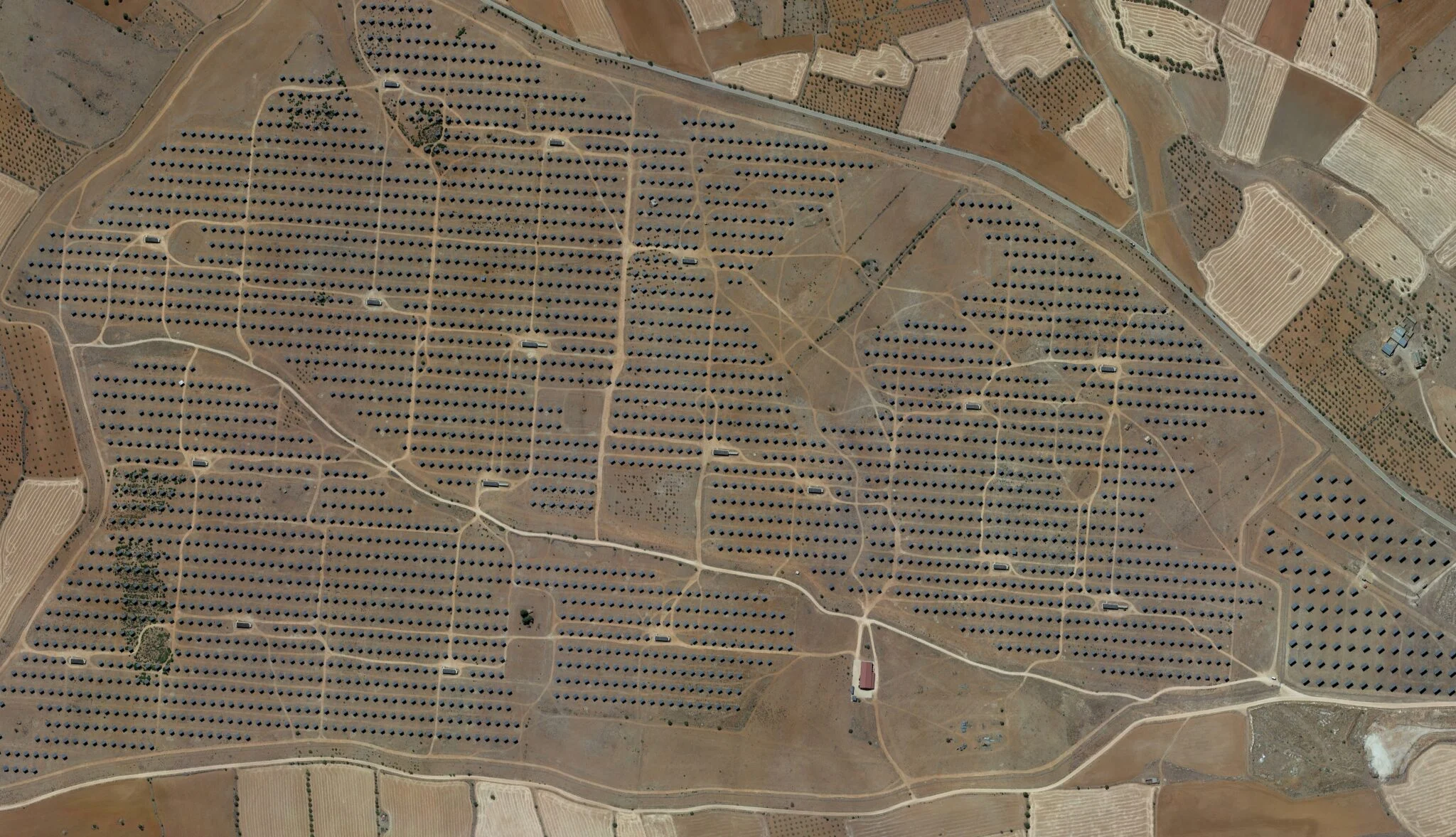
The Global Solar Power Tracker consists of worldwide facility-level data on utility-scale solar power facilities, as well as country-aggregated distri...
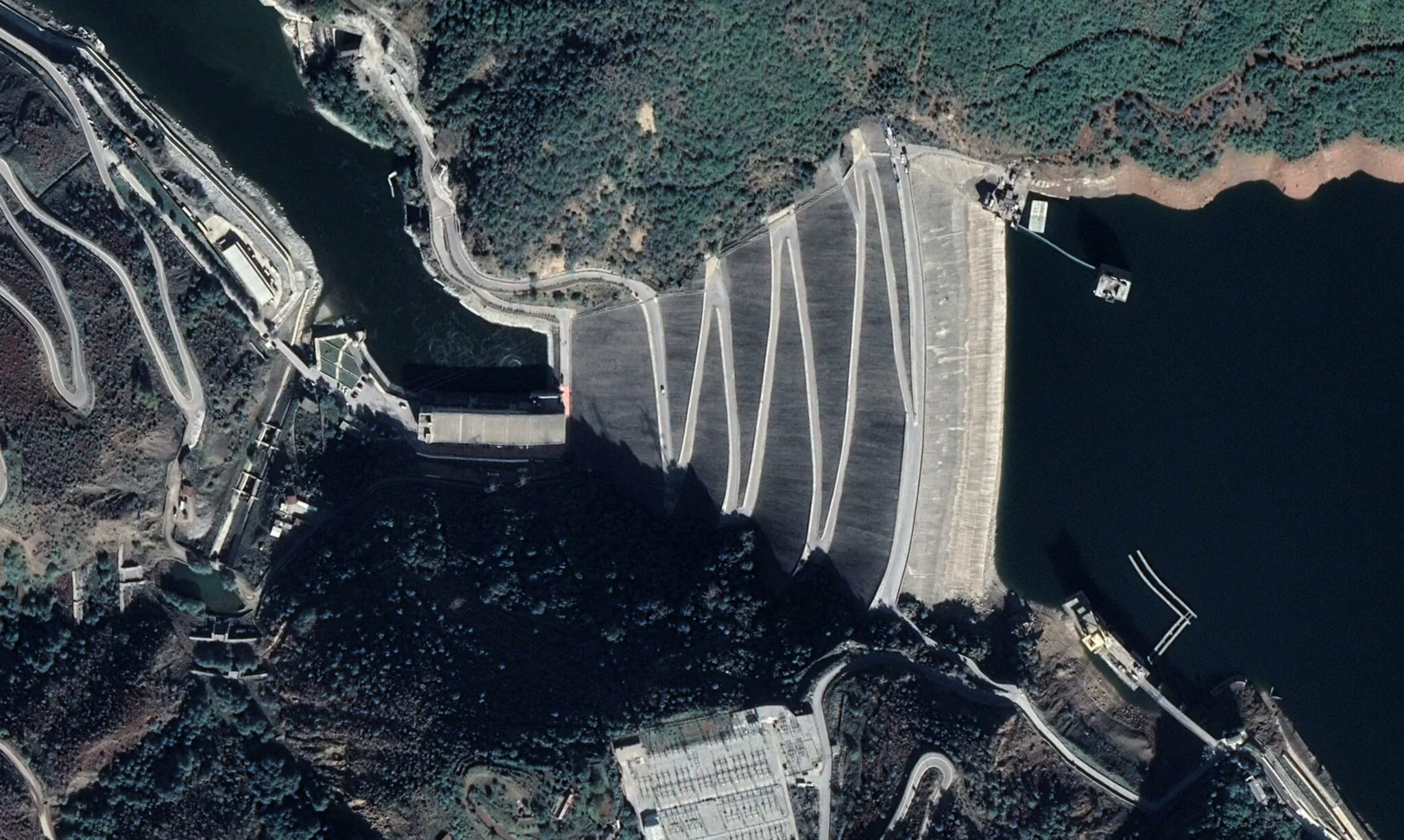
The Global Hydropower Tracker (GHT) is a worldwide dataset of hydroelectric power facilities and includes information such as status, technology type,...
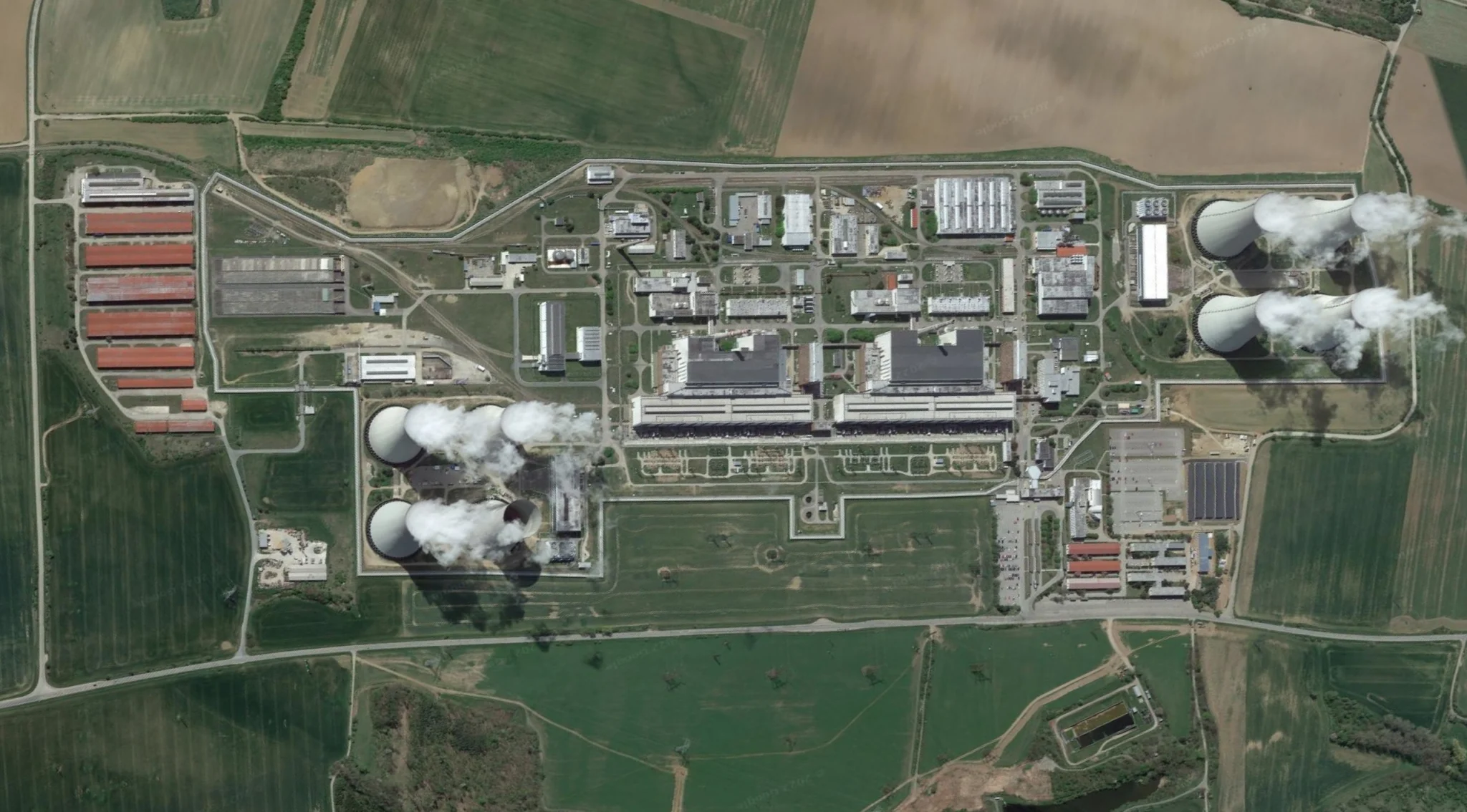
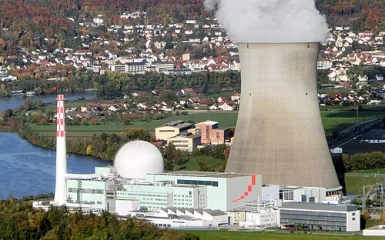
The Global Nuclear Power Tracker (GNPT) is a worldwide dataset of nuclear power facilities and includes information such as status, technology type, l...
Overview
Wind and solar continue to grow, but not at the pace required to meet COP targets.
The energy transition is about systems change. GEM data serve as vital reference points for understanding where the world is at in this transition. The center of gravity for new clean power has shifted decisively toward emerging and developing economies. Even though global prospective wind and solar reached almost 5 terawatts (TW) in 2025, growth has plateaued in Group of 7 nations, jeopardising the global goal to triple renewables capacity by 2030. A misdirected focus on nuclear power in these nations may also stall action and not fulfill the hyped promises.
Meanwhile China continues to lead the way in the renewables race to the top with its combined operating wind, utility-scale solar, and distributed solar capacity surpassing 1.6 TW in 2025, triple the combined capacity of its closest peers, the United States and India. However, China is also one of the top countries together with Brazil burning biomass, accounting for almost half (46%) of global capacity. Environmental concerns and co-firing with coal make biomass combustion growth concerning, with investment into this energy source better spent supporting the expansion of wind and solar.
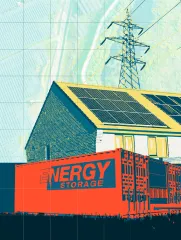
The global conversation is turning more to the technologies that will support a sustainable transition, including storage. Cheaper renewables and rising storage needs are powering a new wave of pumped storage hydropower (PSH) growth. PSH is the largest source of large-scale energy storage globally, playing a critical role in grid stability and renewables integration. Technological advancement is also helping to advance geothermal, a previously restricted market, with just three countries currently accounting for half of total operating capacity. Improved technology and decreased cost could lead to rapid geothermal deployment, with the U.S. accounting for more than a third of all new geothermal power under development.
China leads the world, with a combined operating capacity of wind, utility-scale solar, and distributed solar surpassing 1.6 TW in 2025.
Pumped storage hydropower now makes up 58% of prospective (construction, pre-construction, and announced) global hydropower capacity.
Latest insights
The latest news and resources from GEM.

Meet the team






Explore our open-source data by theme






© 2026 Global Energy Monitor
All Rights Reserved
440 N Barranca Ave #2878, Covina, CA 91723
Built by 89up