
Coal
Coal is the world's most carbon-intensive and dirtiest fossil fuel. Primarily used for electricity and steel, its lifecycle from mining to combustion is a leading driver of global carbon dioxide and methane emissions.
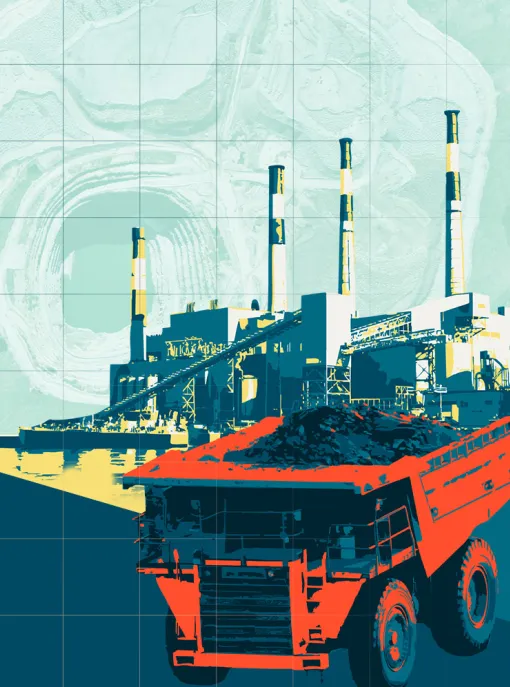
Since the 2015 Paris Agreement, 42 countries have eliminated coal power under development.
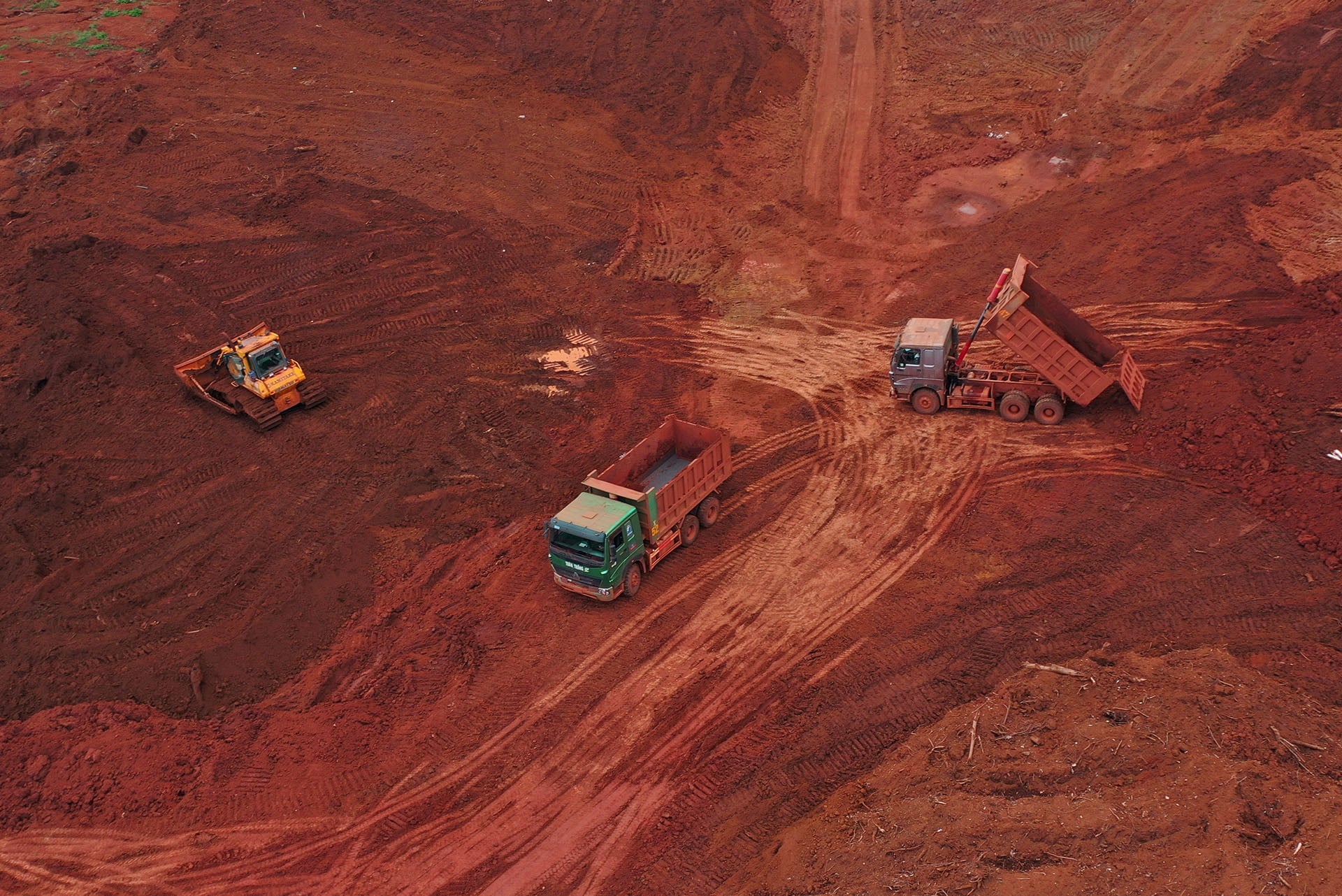
China, India, Australia, and Russia comprise nearly 90% of all proposed coal mine developments worldwide. China alone has 1,350 Mtpa in development, more than all other countries combined.
2024 saw a decade-low 105 Mtpa of new coal mining capacity come online.
Annual closed project financing for coal-fired power plants peaked in 2017 at $40 billion and reached a nadir in 2022 at just over $2 billion.
Coal trackers
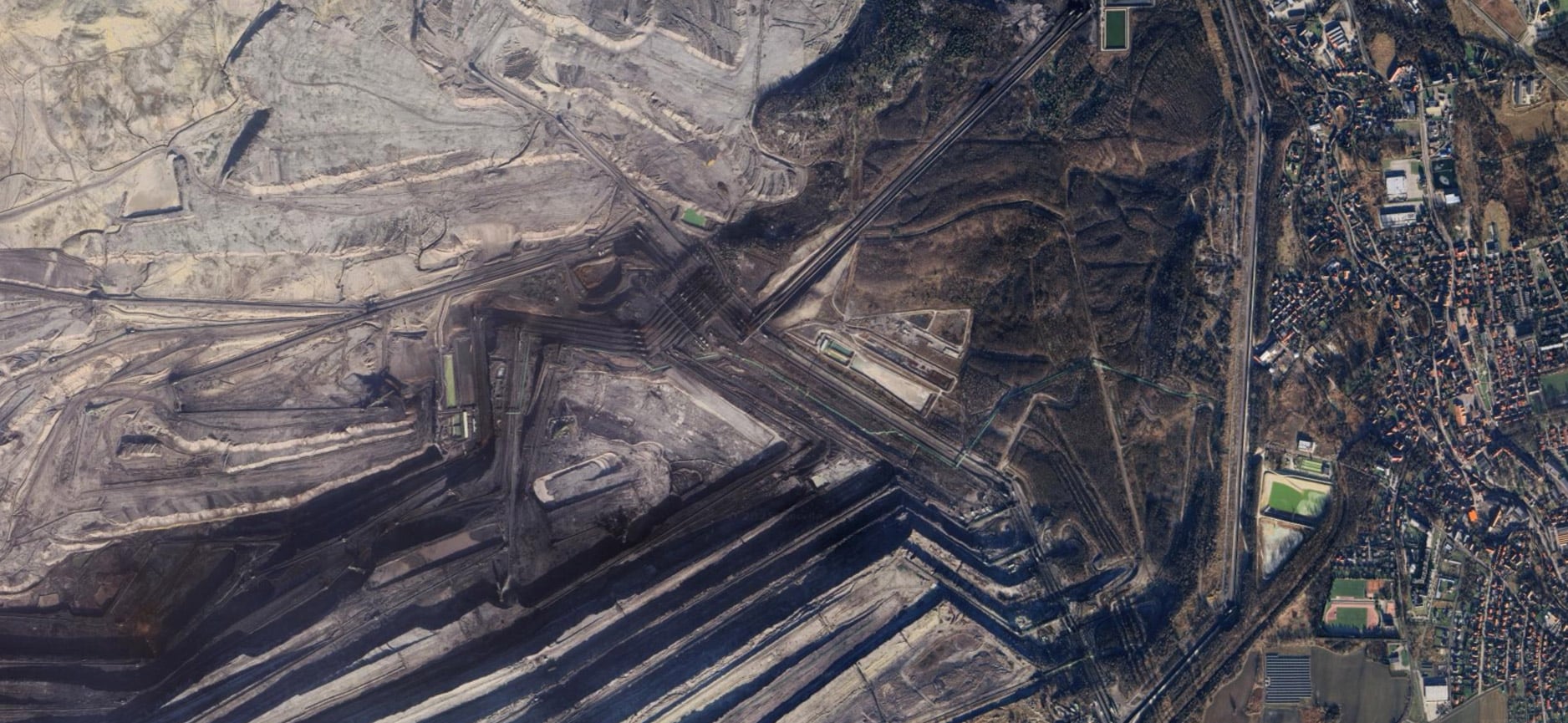
The Global Coal Mine Tracker catalogues coal mines worldwide, with an emphasis on operating, inactive, and proposed assets across various production c...
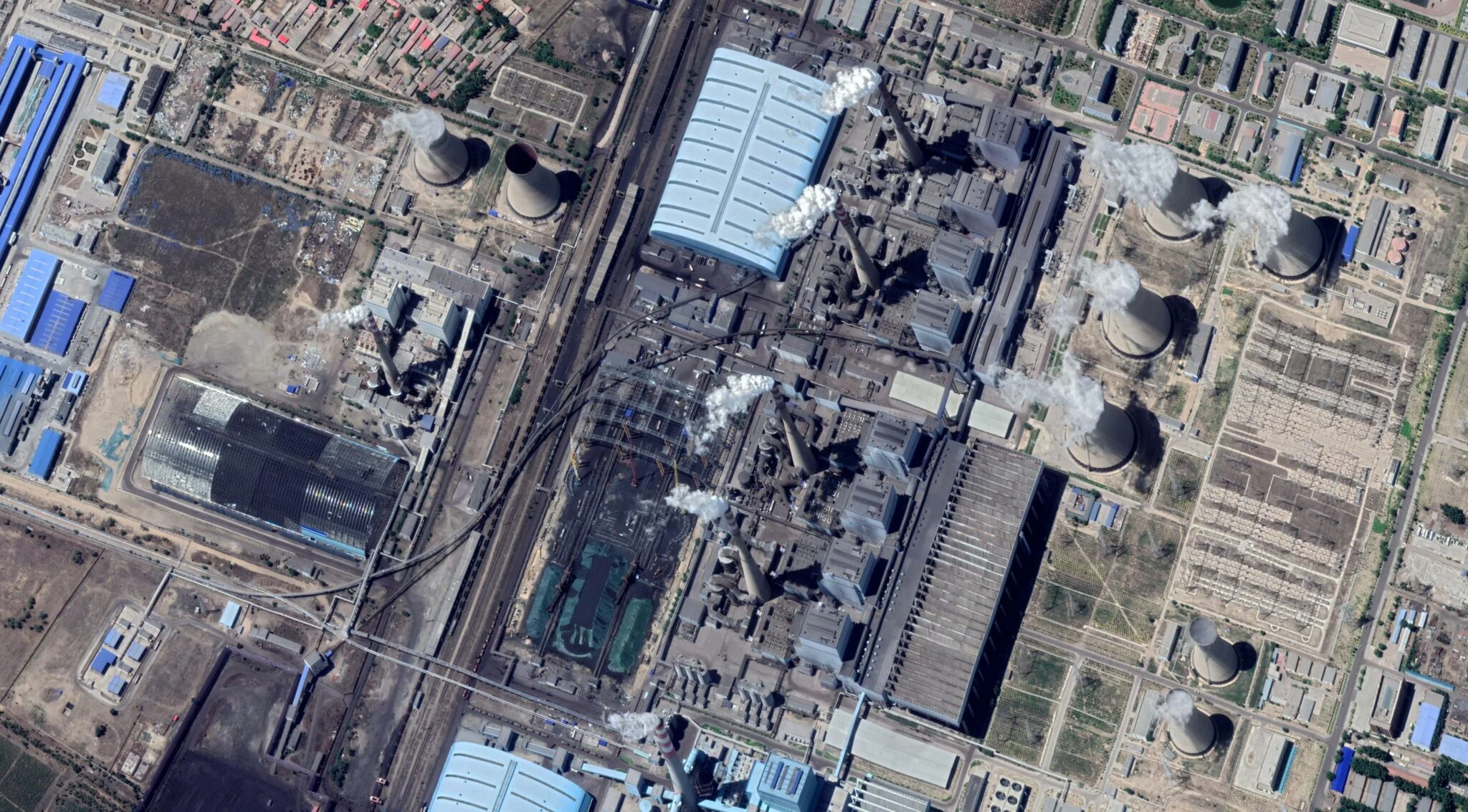
The Global Coal Plant Tracker catalogues coal-fired power units worldwide. The tracker monitors every unit with a capacity of 30+ megawatts, including...
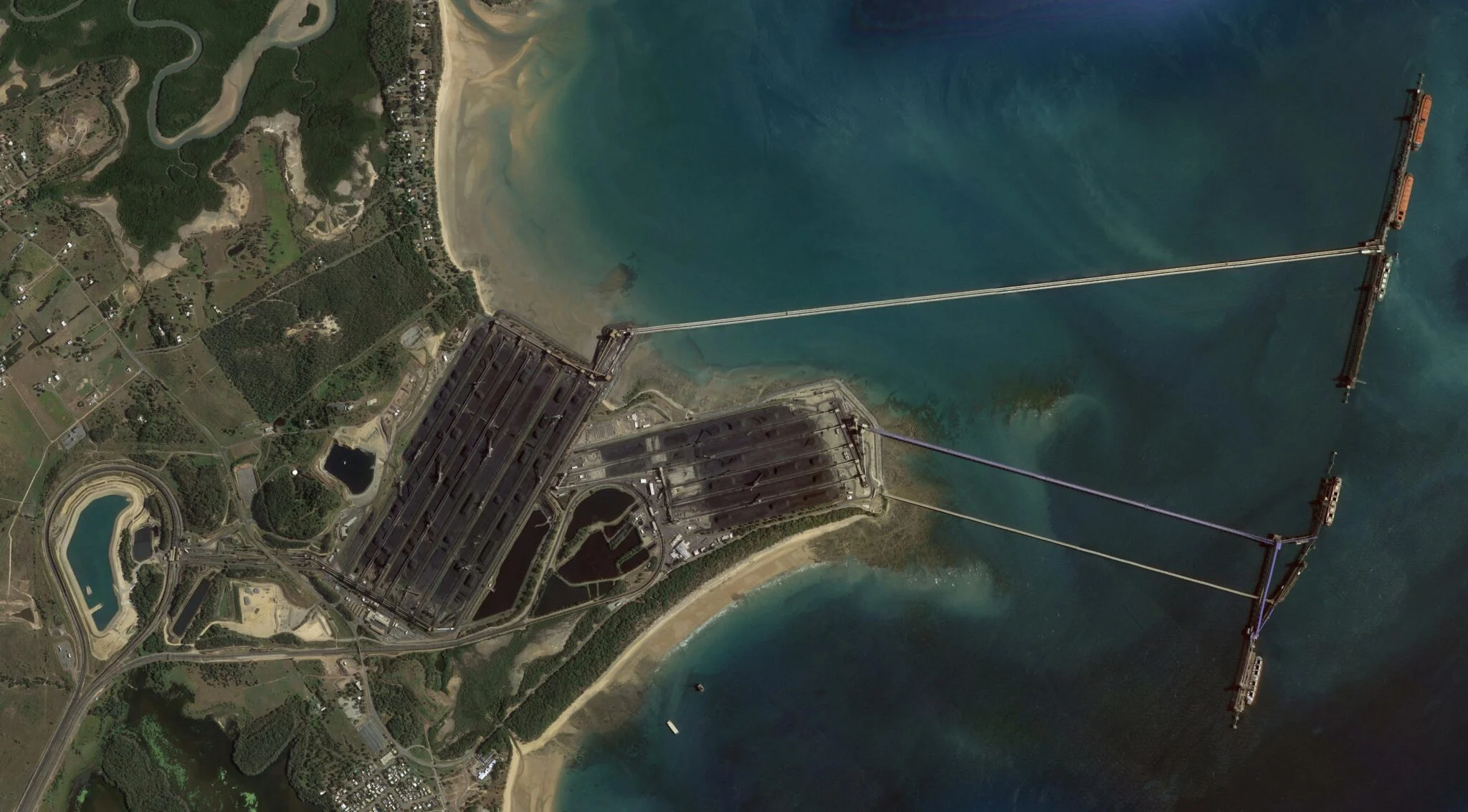
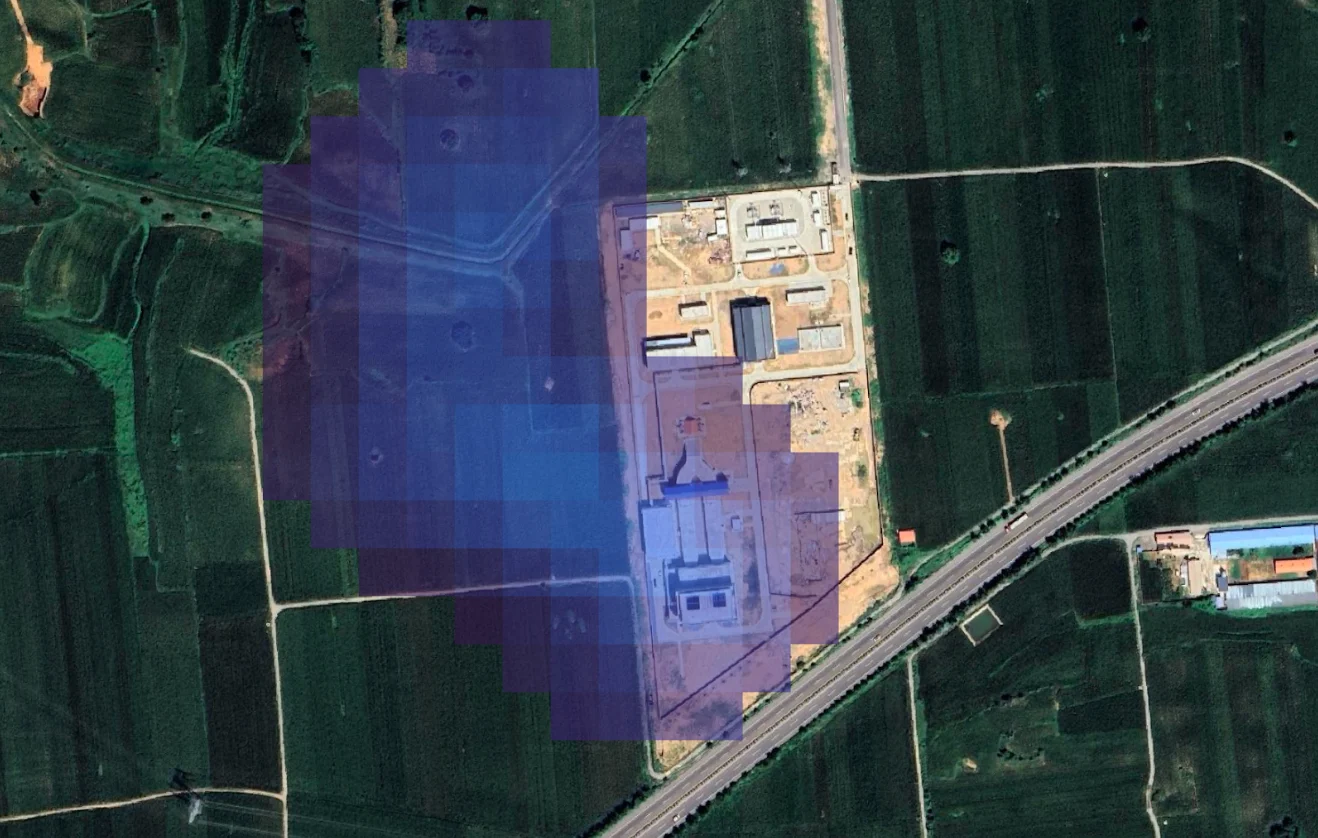
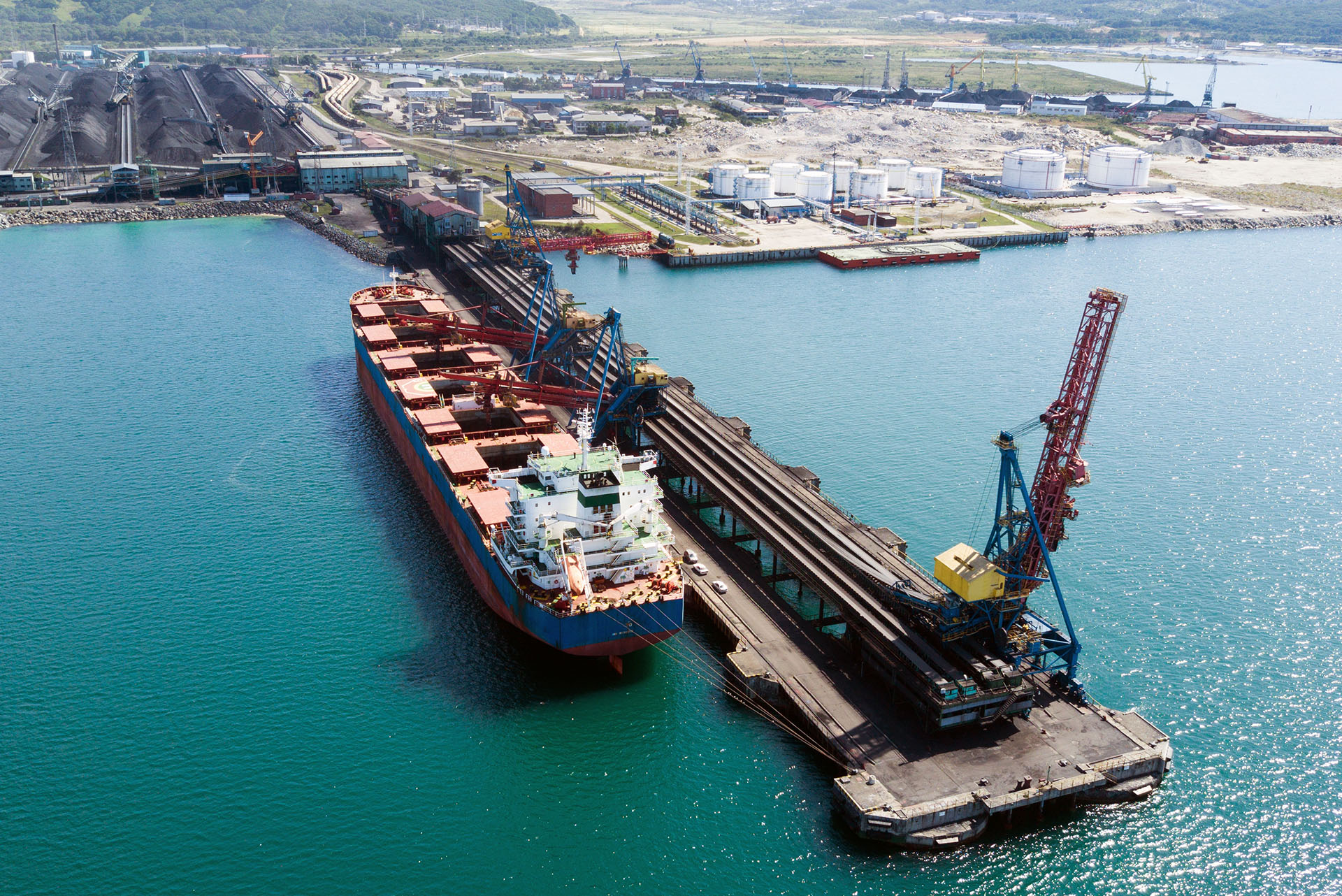
The Global Coal Terminals Tracker is a dataset of import, export, and domestic coal terminals worldwide, including capacity and development status.
The Global Methane Emitters Tracker provides estimates of methane emissions at fossil fuel facilities worldwide and analyzes which specific facilities...
Overview
Coal generation has peaked and demand growth is stalling, but ongoing investments in coal power and mining reinforce the fuel’s persistent and high-risk role in the global energy system.
Coal remains the largest source of electricity worldwide and the leading contributor to carbon dioxide emissions, placing it at the center of the global energy transition. In 2025, the sector reached a historic turning point: Coal generation peaked and demand growth began to stall. However, the fuel continues to play a persistent and high-risk role in the global power sector and key industrial processes. As electricity demand surges and fossil fuel interests persist, the global focus is nonetheless shifting from stopping emissions growth to ensuring an absolute decline.
Since the landmark Paris Agreement in 2015, significant progress has been made towards phasing out coal. More than half the countries with coal power have reduced or kept operating capacity flat. Yet to meet the targets of the Paris agreement, all coal-fired power plants must be retired by 2040, and over half of global capacity still lacks a Paris-aligned closure commitment. Phasing out coal requires confronting policies, economic forces, and interests that keep existing coal assets and new coal projects alive, even when cheaper, cleaner options exist.
GEM’s coal program provides the data, tools, and analyses needed to navigate this complex landscape, tracking everything from coal mines and methane emissions to power plants, import and export terminals, and financial flows. By integrating asset-level infrastructure and data on key indicators like financing and workforces, the program supports evidence-based strategies for an accelerated and absolute transition away from coal.
97% of coal power development worldwide is now concentrated in just ten countries.
Cutting fossil fuel methane could rapidly slow warming, yet major transparency gaps still remain globally.
Latest updates
The latest news and resources from GEM.
Data tools
Dive into GEM’s coal data with our suite of interactive data tools.

Meet the team
Contact the Coal Team





Explore our open-source data by theme





© 2026 Global Energy Monitor
All Rights Reserved
440 N Barranca Ave #2878, Covina, CA 91723
Built by 89up