
major private equity energy portfolios tracked
energy investments since 2010
unique energy assets linked to private equity firms
annual CO2e emissions from fossil fuel assets
Overview
Private equity remains heavily concentrated in fossil fuels, with most energy portfolios dominated by carbon-intensive assets and limited alignment with 1.5°C climate targets.
The Private Equity Tracker provides asset- and company-level visibility into how major private equity firms shape the global energy system. Covering more than twenty leading firms, the dataset links investors to hundreds of portfolio companies and underlying fossil fuel assets across the upstream, midstream, and downstream sectors. Together, these firms have invested over $1 trillion in energy since 2010, with fossil fuels comprising the majority of their energy holdings.
Private equity ownership of energy infrastructure has expanded significantly over the past decade, often shifting carbon-intensive assets out of public markets into private portfolios with fewer disclosure requirements. Portfolio companies controlled by these firms own coal plants, gas-fired power stations, oil and gas fields, LNG terminals, and major pipeline networks. In aggregate, the energy portfolios of leading firms support assets that emit over a gigaton of CO2-equivalent emissions annually, comparable to the emissions of large industrialized economies.
Geographically, assets are concentrated in North America and Europe but extend globally, with significant exposure to gas-fired power and midstream infrastructure. Private equity has also expanded into utility ownership and gas supply chains linked to data center growth, positioning the sector at emerging demand nodes.
Sectorally, fossil fuel companies make up a majority of most firms’ energy portfolios, and the pace of divestment remains slow; at current trajectories, some firms would not fully exit fossil fuels until the year 2090. This misalignment with climate targets creates transition risk for investors and exposes communities to ongoing health and pollution impacts, while limited disclosure requirements reduce transparency compared with public markets.
By connecting financial sponsors to specific assets, infrastructure and emissions, the tracker provides transparency into how private capital influences the energy transition. The data help regulators, institutional investors, researchers, and frontline communities assess climate exposure, identify leverage points, and evaluate whether private equity investment strategies are accelerating or delaying decarbonization.
Private equity fossil fuel infrastructure is estimated to cost the U.S. $15B+ annually in health impacts.
Fossil fuels dominate most firms’ energy holdings despite net-zero commitments.
What's inside?

Meet the team
If you have questions about this project, please contact the Project Manager, Alex Hurley.
Get in touch





Related projects
Open, global data on who ultimately owns key energy assets, from individual projects to multinational parent companies.
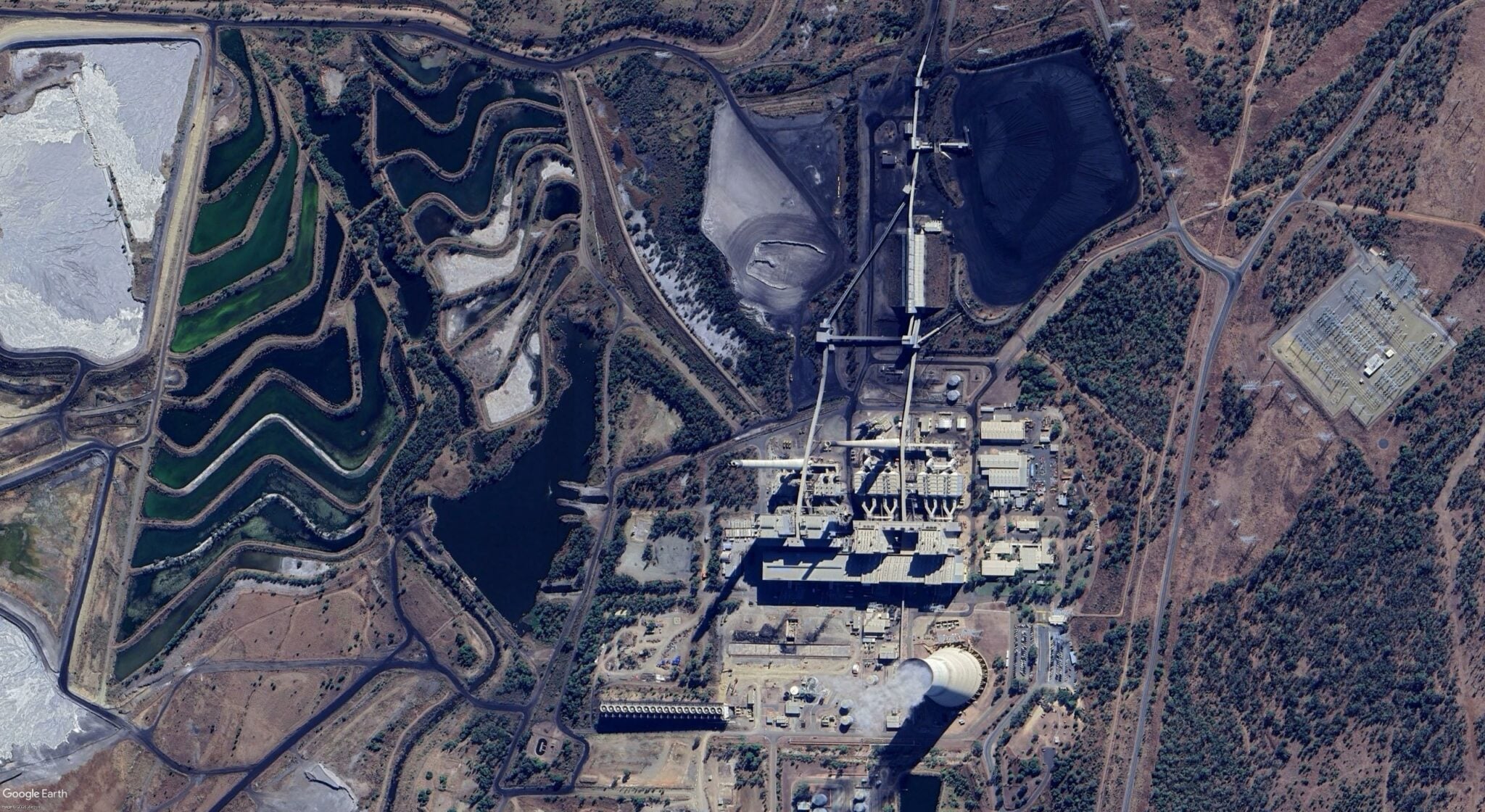
A global dataset of power plants, tracking the energy transition across all major generation technologies.
The Global Energy Company Tracker
The Global Fossil Fuel Asset Tracker
Insights and updates
The latest news and resources from GEM.

Methodology
The Private Equity Tracker at Global Energy monitor is part of a multi-organization initiative known as the Private Equity Climate Risks (PECR) project, which investigates the role of the private equity industry in the climate crisis.
As a part of this project, GEM analyzes the social and environmental impacts of fossil fuel infrastructure to provide insights on the industry’s role in the climate crisis. GEM collaborates with The Private Equity Stakeholder Project (PESP) and Americans for Financial Reform Education Fund (AFREF) in a research consortium to investigate private equity investments in energy companies and related assets.
A key aim of this project is to demand better accountability in the private equity industry through reports and other campaign activities, highlighting discrepancies between private equity firms’ publicly stated Environmental, Social, and Governance (ESG) commitments and their actual investment practices.
The project’s work to date has focused on twenty of the largest private equity firms and their involvement in the fossil fuel industry, as summarized in the PECR 2024 Scorecard and Report.
Frequently Asked Questions
Contact
For questions about the Private Equity Tracker, contact Alex Hurley: