
countries included
mines tracked
mine owners
tonnes of coal mined per year
Overview
Global coal demand growth is slowing year over year. However, annual production remains record high, and the scale of existing and planned projects still threatens climate targets.
Coal mining remains a foundational component of global industry and energy production, yet its continued expansion creates significant challenges for a sustainable future. Understanding the scale of this infrastructure and phaseout considerations is critical as the industry evolves. While the coal power sector is experiencing a steady wave of retirements, the coal mining sector lags behind in its phaseout plans, due to an expanding metallurgical coal market, high demand and high energy prices as a result of the wars in Ukraine and Iran, and a growing number of countries seeking energy independence by increasingly leveraging their domestic coal resources.
GEM’s latest coal mine research identifies 835 coal mine proposals totaling 2,521 million tonnes per annum (Mtpa) under development — approximately 11% increase from 2024. While new mine capacity openings continue to decline, having dropped by nearly 40% since 2024, the global pipeline remains massive. With 781 Mtpa already under construction or trail operation, these projects lock in decades of production and increase the risk of stranded assets in a rapidly evolving market.
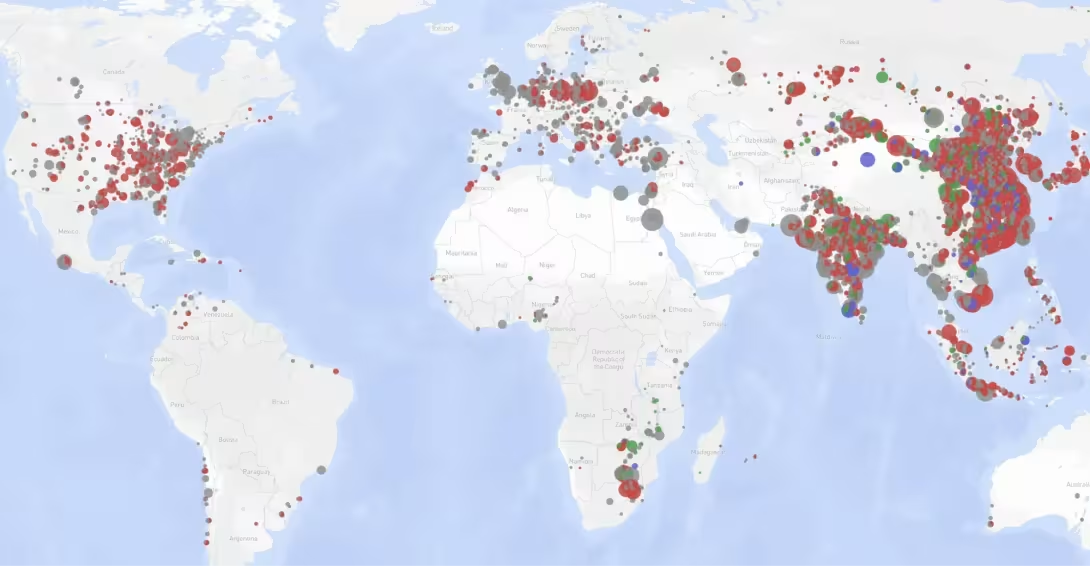
Global development is heavily concentrated in China, India, Australia, Russia, and South Africa, which represent over 90% of all proposed capacity. China alone accounts for 1,321 Mtpa — more than the rest of the world combined. Thermal coal for power generation still dominates global expansion plans, accounting for around 70% of proposed capacity, but the development of metallurgical coal for steelmaking is increasingly important, as deeper underground operations increase its methane intensity.
The climate, environmental, and human costs of this infrastructure are central to a clean and just energy transition. Beyond carbon dioxide from coal combustion, coal mining releases immense volumes of methane, often surpassing the gas sector’s footprint, despite receiving far less scrutiny. Proposed mines alone could emit 16.8 million tonnes of methane annually.
In 2025, the GCMT's mine-level records show total coal production from operating assets reached approximately 9.1 billion tonnes.
92% of coal mining capacity development worldwide is concentrated in just five countries.
What's inside?
The most recent release of this data was in August 2026 and represents the second version of the dataset originally released in May 2026.

Meet the team
If you have questions about this project, please contact the Project Manager, Dorothy Mei.
Get in touch


Related projects
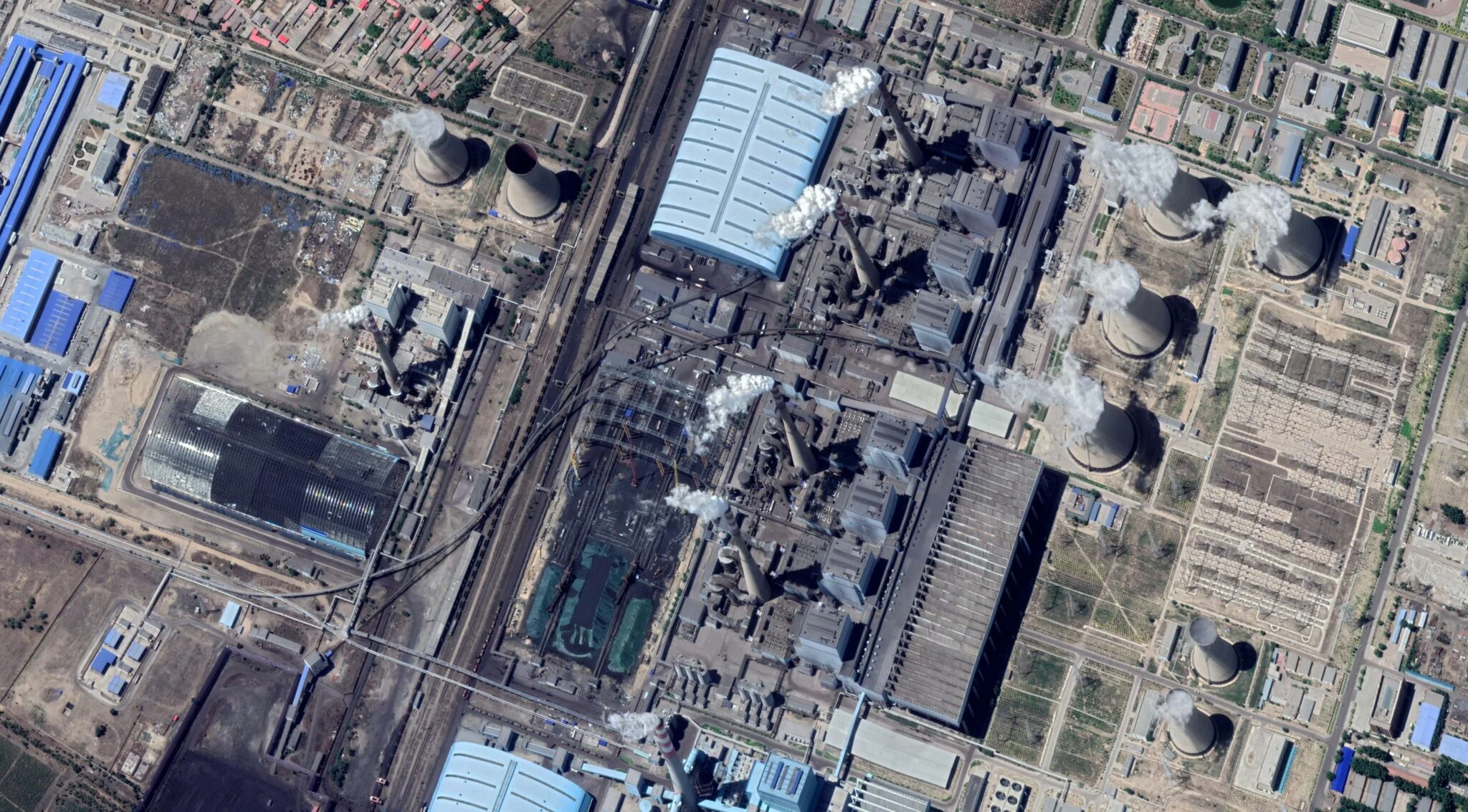
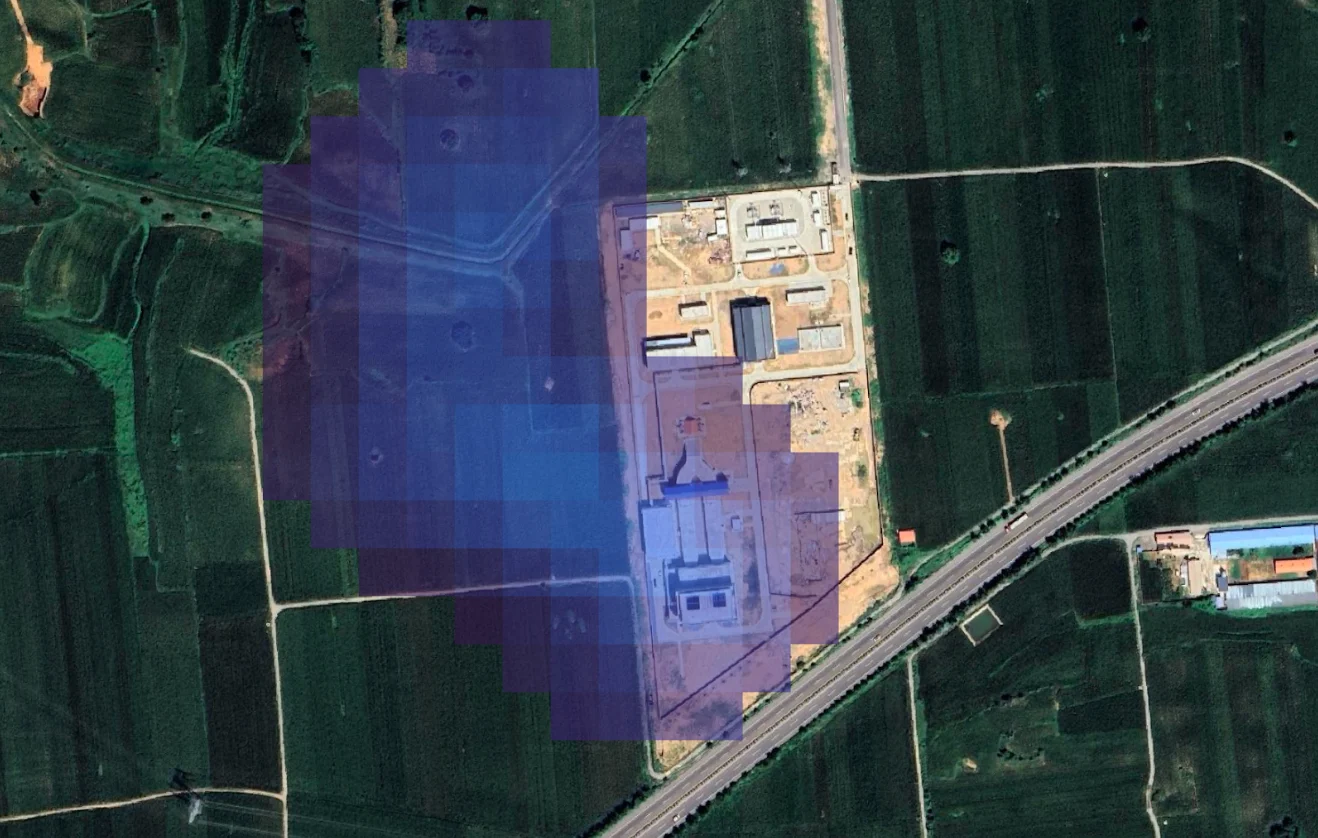
The Global Coal Plant Tracker catalogues coal-fired power units worldwide. The tracker monitors every unit with a capacity of 30+ megawatts, including...
The Global Methane Emitters Tracker provides estimates of methane emissions at fossil fuel facilities worldwide and analyzes which specific facilities...
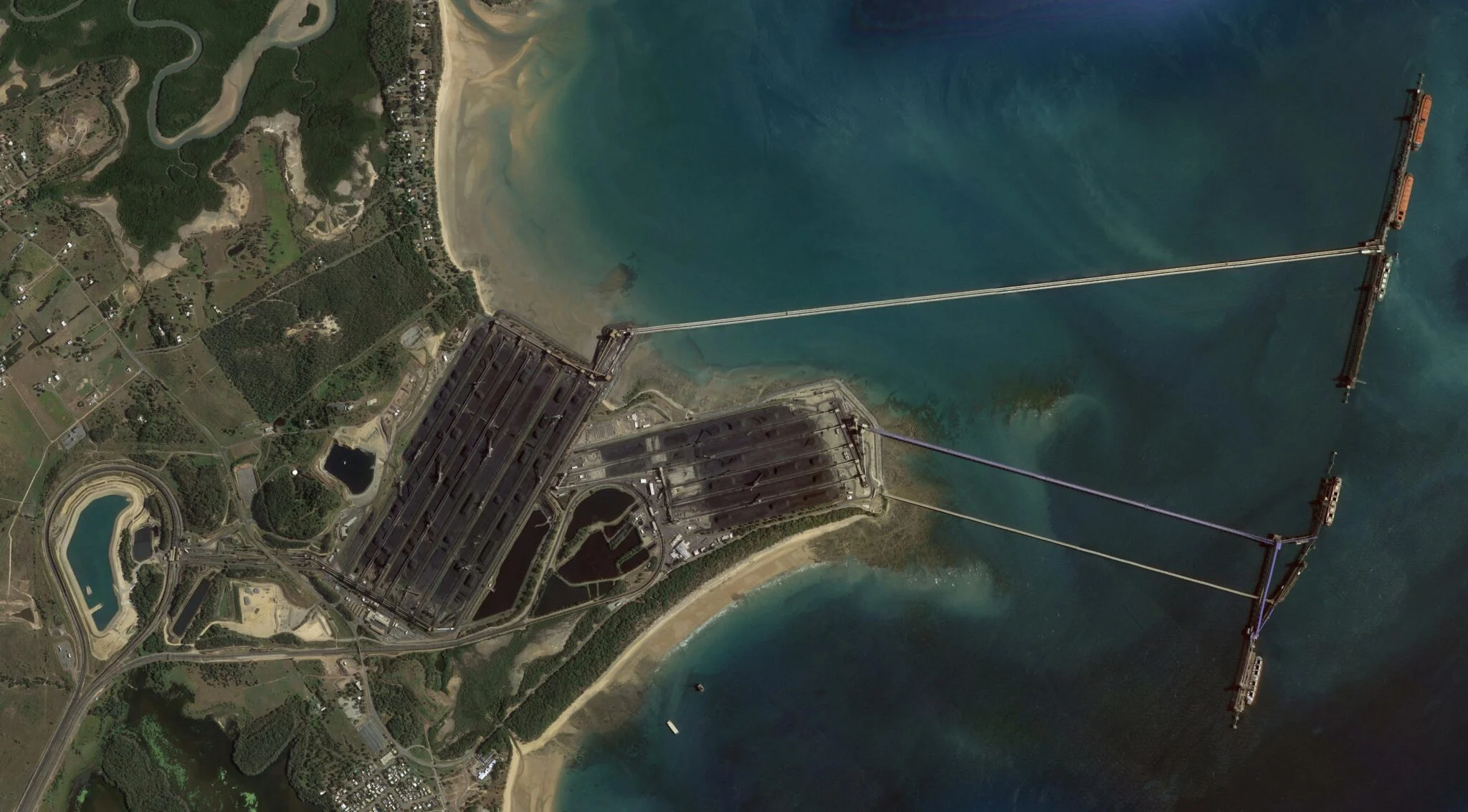
The Global Coal Terminals Tracker is a dataset of import, export, and domestic coal terminals worldwide, including capacity and development status.
Insights and updates
The latest news and resources from coal team
Methodology
To learn more about the various components of the Global Coal Mine Tracker, see the frequently asked questions and our methodology.
Frequently asked questions
Contact
For questions about the Global Coal Mine Tracker, contact Dorothy Mei: