
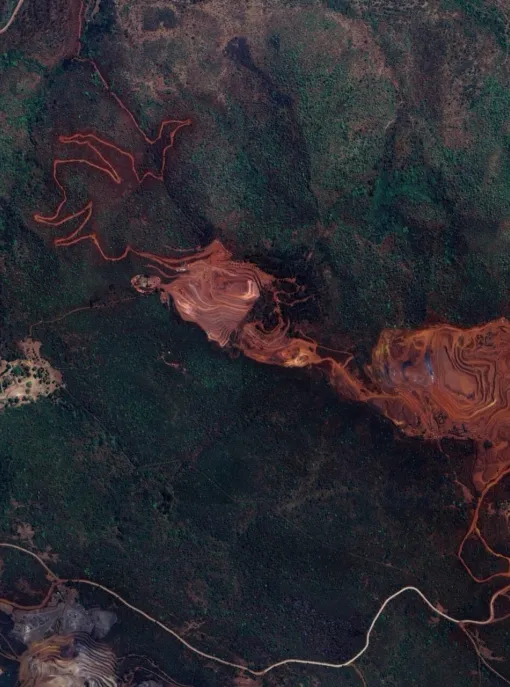
country/areas included
iron ore mines tracked
plant owners
tonnes annual production capacity
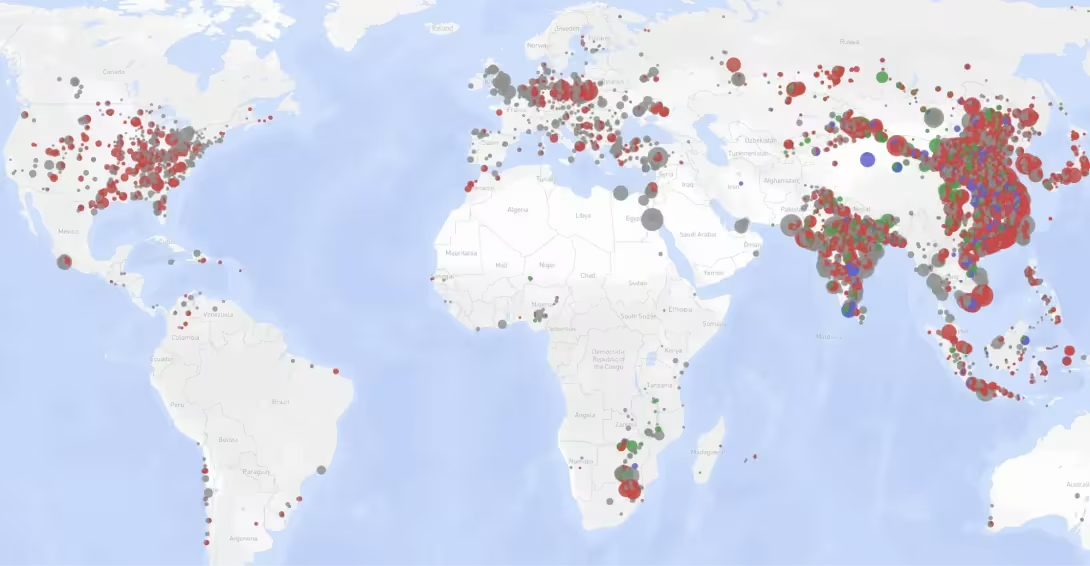
Overview
Global Energy Monitor’s Global Iron Ore Mines Tracker (GIOMT) shows geographic concentrations of iron ore mining capacity that shape downstream iron and steel production and influence the global transition to green steel.
The GIOMT maps asset-level ownership, development and operating status, design capacity, and annual production since 2022 for each mine. It reveals a highly concentrated global supply dominated by Australia, Brazil, and China. Because iron ore mining is a fundamental element of the steelmaking supply chain, upstream investment decisions tracked in the GIOMT will shape whether future supply aligns with net-zero steel transition pathways.
Each iron ore mine varies in terms of size and infrastructure. The majority of iron ore mine assets are reported individually, but in other scenarios several mines may be reported together under a larger mining complex when more granular data is unavailable. The GIOMT typically does not capture historic data on mining assets retired prior to 2023. Each iron ore mine is linked to its own separate factsheet on GEM.wiki, which provides additional details.
Australia dominates global iron ore supply, accounting for 32% of global operating capacity.
Australia, Brazil, Russia, and China hold the largest iron ore reserves and resources, together accounting for 54% of global long-term supply potential.
What's inside?

Meet the team
If you have questions about this project, please contact the Heavy Industry Program Director, Caitlin Swalec.
Get in touch





Related projects
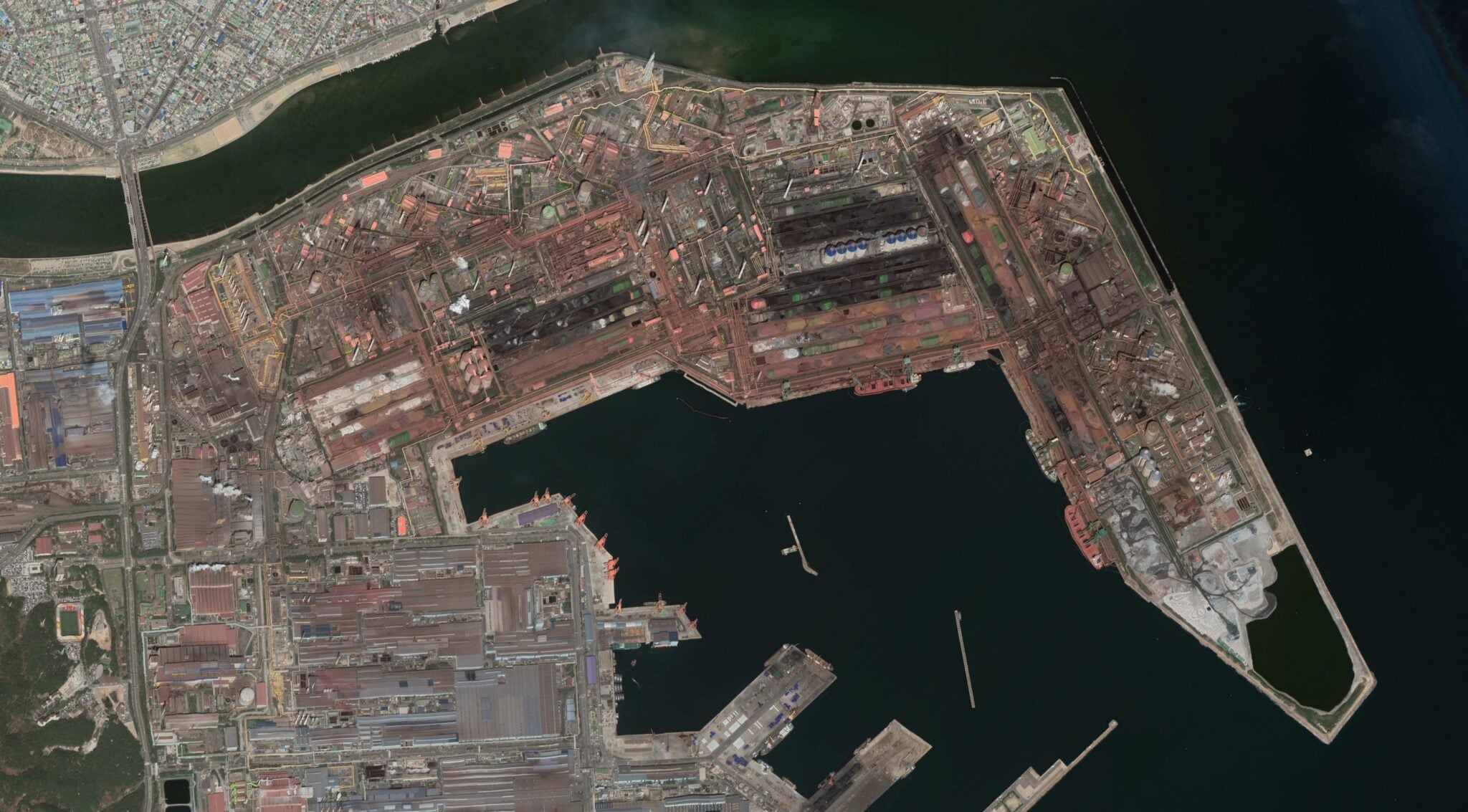
The Global Iron and Steel Tracker (GIST) provides asset-level data on global crude iron and steel plants, covering operating, developing, and retired ...
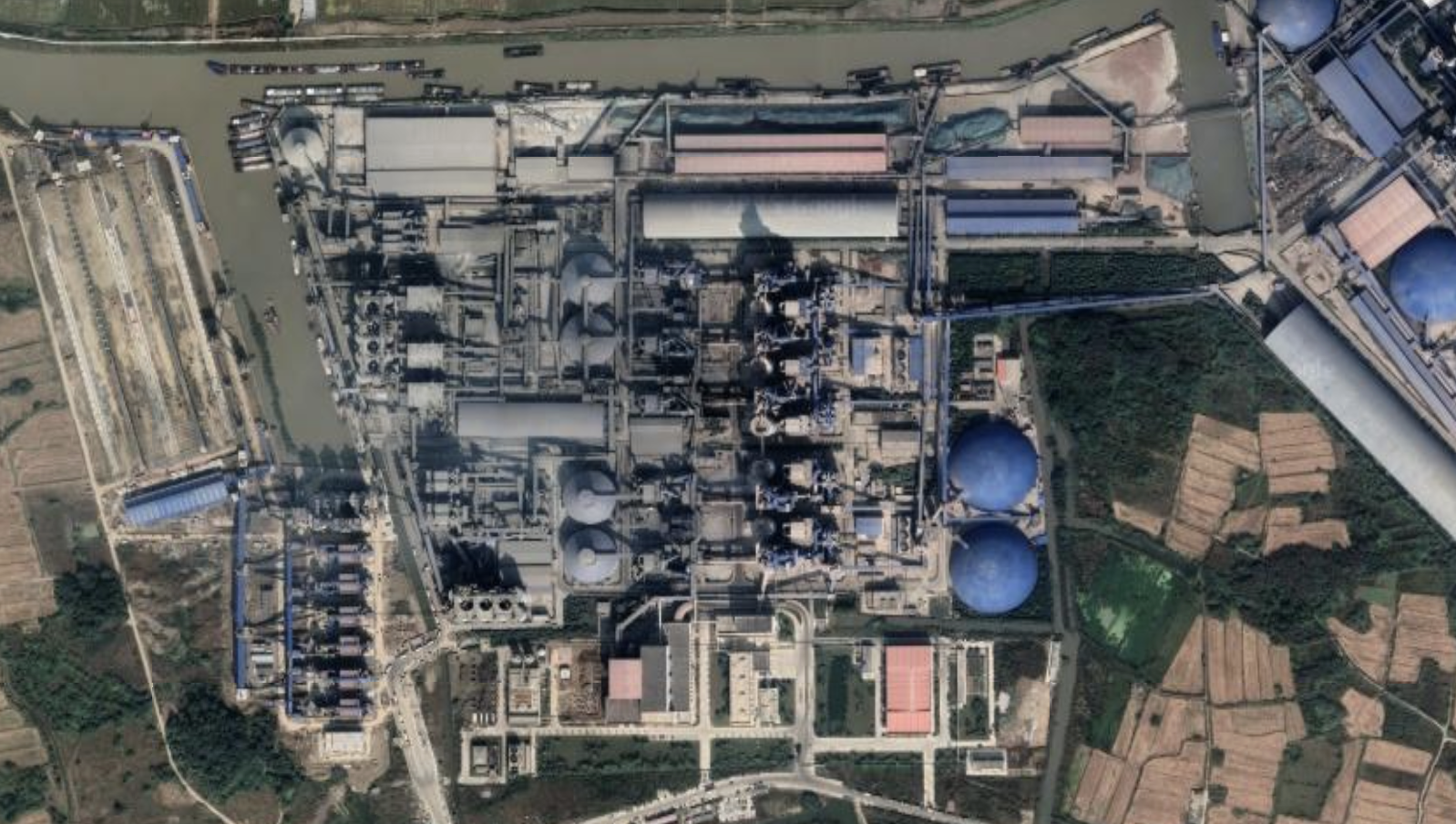
The Global Cement and Concrete Tracker (GCCT) provides asset-level data on global cement and clinker plants, covering capacity, ownership, operating s...
The Global Chemicals Inventory (GChI) provides information on global production of eight “building block” chemicals: ethylene, propylene, and butadien...
Insights and updates
The latest news and resources from GEM.
Methodology
Frequently Asked Questions
Contact
For questions about the Global Iron Ore Mines Tracker, contact Caitlin Swalec: