
countries included
coal units tracked
plant owners
kg CO₂ per year
Overview
Coal power development is becoming increasingly concentrated in a shrinking number of countries.
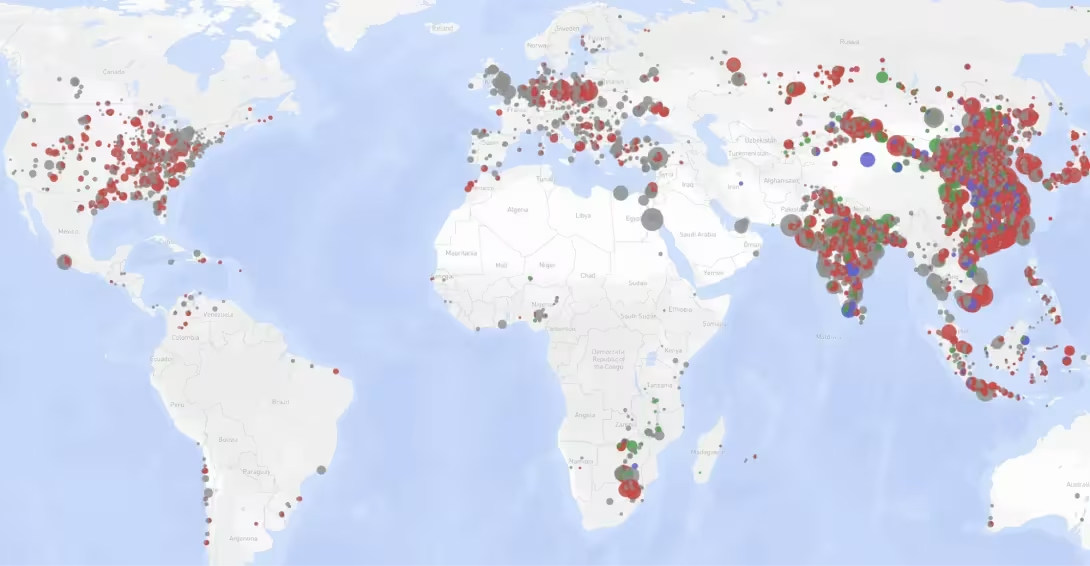
Coal remains an entrenched but increasingly high-risk component of the global power sector, standing as the world’s most carbon-intensive and polluting fossil fuel. Beyond its climate impact, coal combustion is a leading source of sulfur dioxide, nitrogen oxides, and particulate matter, which drive severe public health crises worldwide. More than 2,200 gigawatts (GW) of coal power operates worldwide, with another 760 GW under development.
Coal power development is becoming more geographically concentrated, with a dwindling number of countries accounting for the majority of new projects. In 2018, the top ten countries accounted for 83% of global coal capacity under development; by 2026, that share had risen to 96%, dominated by China and India, who alone comprise nearly 90%. Only 32 countries were proposing or building new coal plants in 2026, down from 38 in 2024 and 75 in 2014. Entire regions, such as Latin America, have achieved No New Coal status, and a growing collection of countries are committing to phasing out existing coal power.
To meet the Paris Agreement’s 1.5°C target, all of the world’s coal-fired power plants must be retired by 2040. Yet GCPT data reveals that more than half of global operating capacity does not have a Paris-aligned closure commitment. Across major coal-using economies, coal’s persistence has increasingly reflected specific policy choices rather than market demand. In China, new coal plant proposals have been justified as necessary for system reliability and flexibility, even as renewable energy meets new demand. In the U.S., regulatory and political interventions have kept coal plants operating that would otherwise have retired, contributing to higher power prices. Phasing out coal and meeting climate targets will require addressing policies that keep coal plants running even when cleaner, cheaper alternatives are available.
96% of coal power development worldwide is concentrated in just ten countries
43 countries have eliminated coal power under development since the 2015 Paris Agreement
What's inside?
The most recent release of this data was in July 2026.

Meet the team
If you have questions about this project, please contact the Project Manager, Christine Shearer.
Get in touch




Related projects
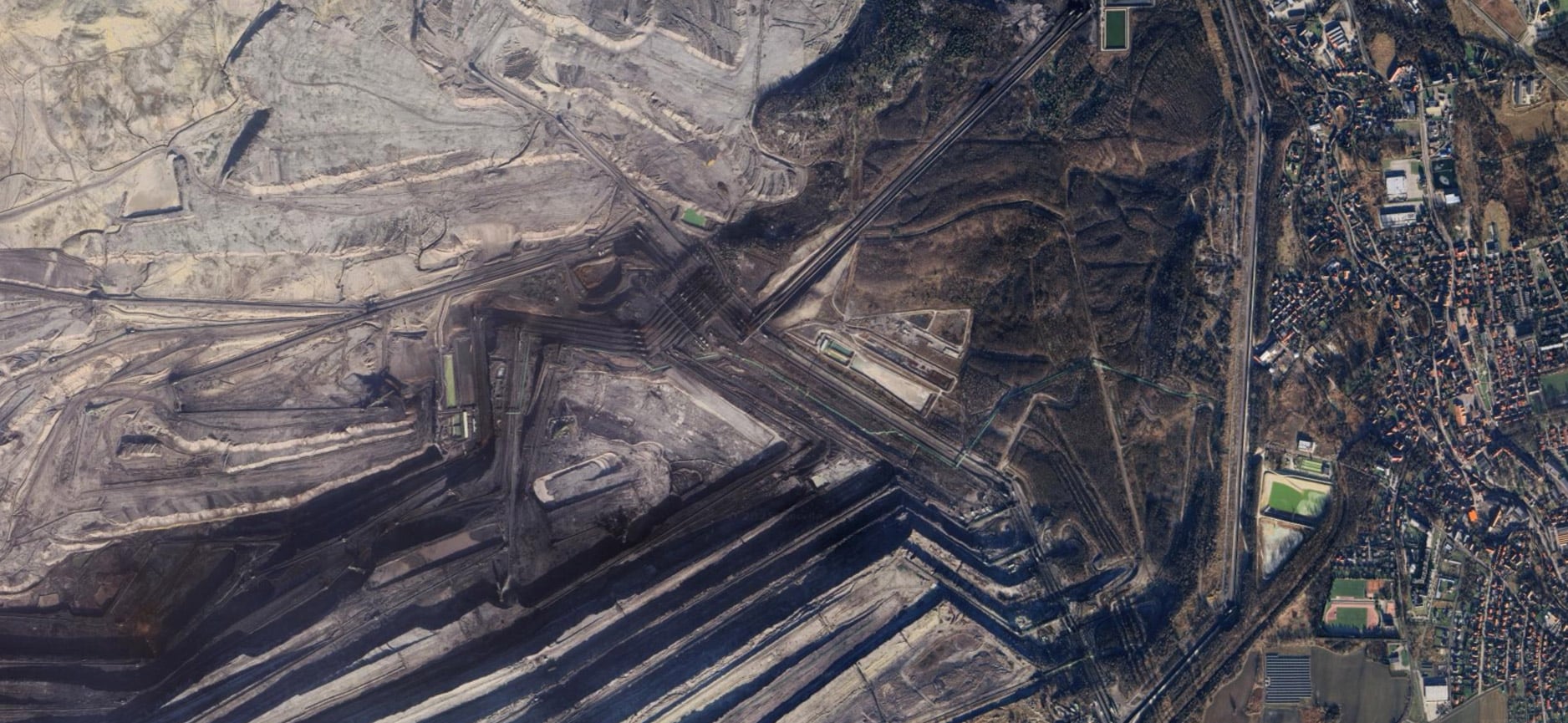
The Global Coal Mine Tracker catalogues coal mines worldwide, with an emphasis on operating, inactive, and proposed assets across various production c...
The Global Methane Emitters Tracker provides estimates of methane emissions at fossil fuel facilities worldwide and analyzes which specific facilities...
Insights and updates
The latest news and resources from GEM.
Methodology
The methodology for the Global Coal Plant Tracker describes how GCPT data is collected, categorized, and organized.
Frequently asked questions
Contact
For questions about the Global Coal Plant Tracker, contact Christine Shearer: