
pipelines tracked
km of combined pipeline length
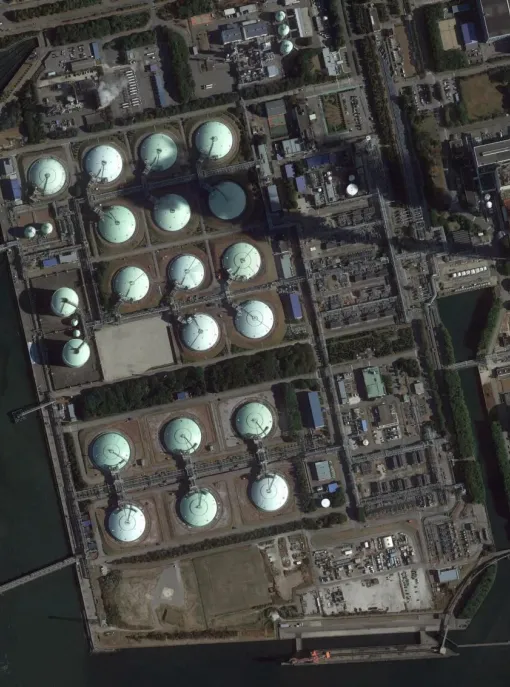
LNG terminal projects
tonnes of total LNG capacity
Overview
A global expansion of midstream gas and LNG infrastructure is being driven by exporters, such as the United States, and gas-consuming regions, including Asia and Europe.
Midstream gas infrastructure — pipelines, terminals, and liquefied natural gas (LNG) carriers — forms the backbone of regional and global gas networks, connecting extraction sites with downstream end users. LNG enables gas delivery anywhere with a regasification terminal and has driven recent expansion, despite comprising only 13% of gas consumed globally. Gas exporting countries are building infrastructure to monetize reserves, while importing countries cite growing energy demand in power, industrial, and heating sectors; energy security concerns; and perceptions of gas as a "transition fuel," despite LNG having emissions on the same order as coal.
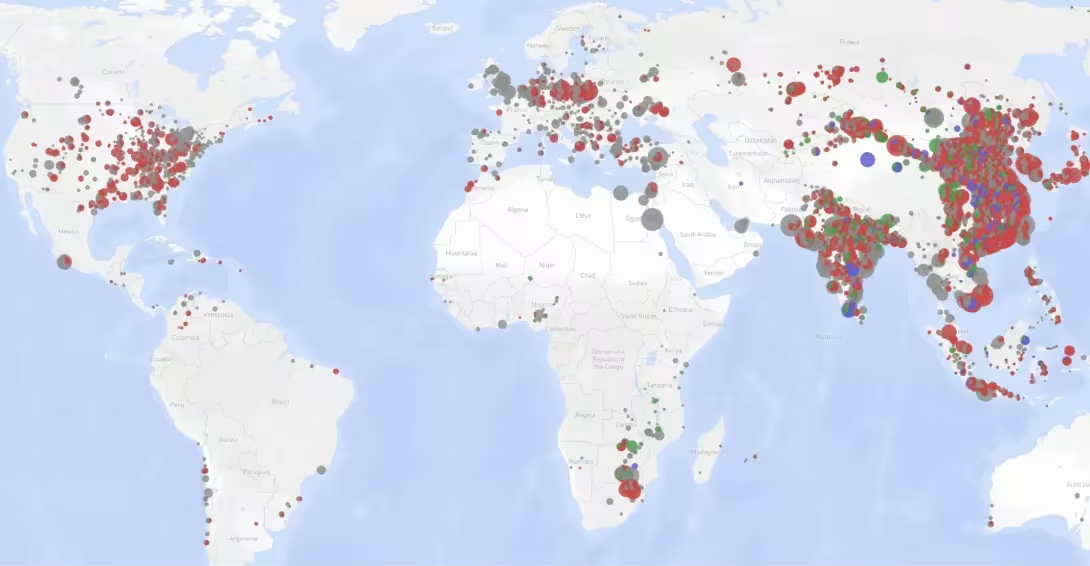
China, Russia, and India collectively account for nearly half of the approximately 206,000 km of gas pipelines in development across the world. There is enough proposed LNG export capacity planned globally to triple existing operating capacity, led by the United States, Russia, and Mexico. Regionally, Asia and Europe are developing 85% of prospective LNG import capacity, concentrated in China, India, Germany, and the United Kingdom. LNG carriers are built almost exclusively in South Korea and China, and the global fleet is set to expand by at least 35% based on current orders.
Despite the scale of midstream gas infrastructure in planning, LNG remains economically risky. Expensive LNG terminals, gas pipelines, and LNG carriers could be underutilized or become stranded assets if enough gas demand does not materialize, especially since LNG is frequently uncompetitive against alternative energy sources like renewable power and coal.
The contiguous United States first exported LNG in 2016, and since then, it has become the world’s largest exporter, with one-fifth of global operating export capacity.
The length of gas pipelines proposed and under construction could circle the earth over five times.
What's inside?
LNG Carrier Tracker
Liquefied natural gas (LNG) carriers are effectively the gas “pipelines of the sea” and are a crucial means of moving gas around the world. These ships serve LNG export and import infrastructure and are a pivotal aspect of the global gas supply chain.
The LNG Carrier Tracker is part of the Global Gas Infrastructure Tracker (GGIT) and is a joint effort between Global Energy Monitor and Solutions for Our Climate (SFOC). The tracker was first released in December 2025 and is updated quarterly. For more information on the dataset and research process, see the methodology section.
If you’d like to receive future announcements about the LNG Carrier Tracker, subscribe to the GGIT mailing list below.

Meet the team
If you have questions about this project, please contact the Project Manager, Baird Langenbrunner.
Get in touch





Related projects
The Global Oil and Gas Plant Tracker is a worldwide dataset of oil- and gas-fired power plants.
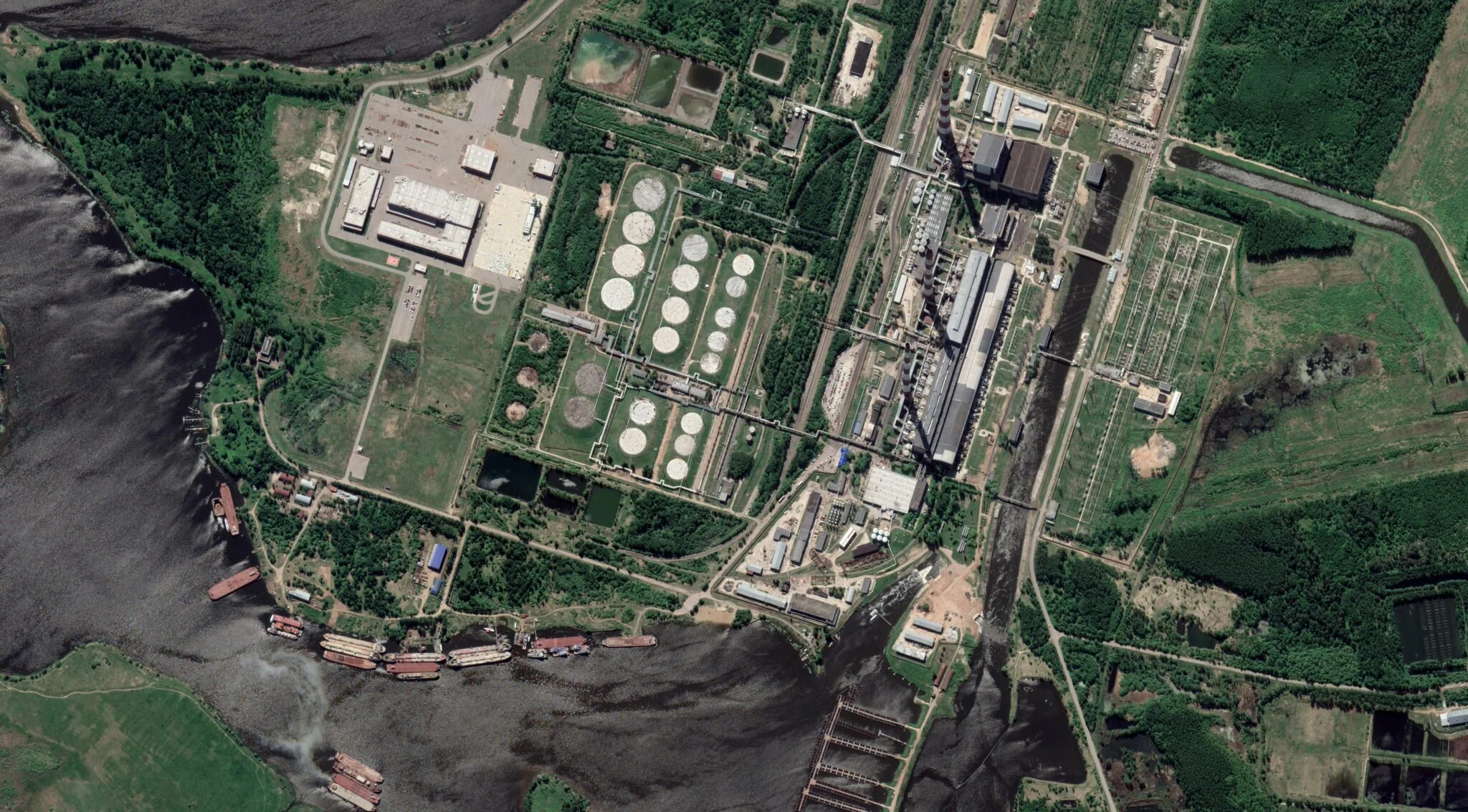
Covering oil and gas fields from discovery to decommissioning, GOGET provides data on the location, ownership, production, and reserves of oil and gas...
The Global Oil Infrastructure Tracker (GOIT) catalogs midstream oil and natural gas liquids transmission pipeline infrastructure, with asset-level dat...
Insights and updates
The latest news and resources from GEM.

Methodology
Frequently asked questions
Contact
For questions about the Global Gas Infrastructure Tracker, contact Baird Langenbrunner: