
terminals tracked
tonnes of operating capacity
countries included
port locations
Overview
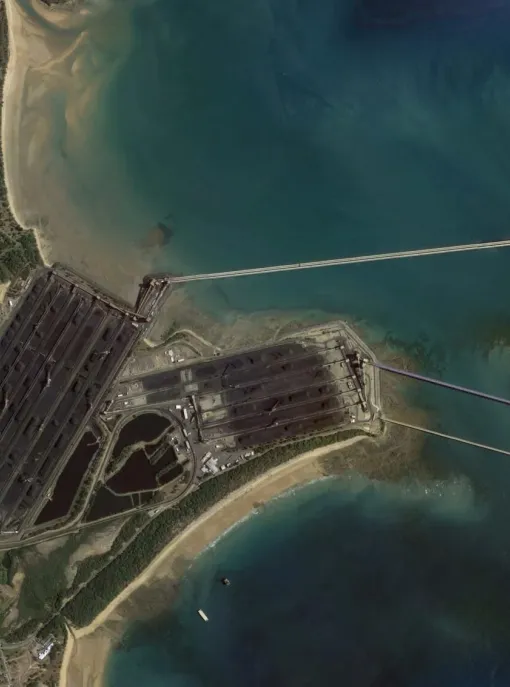
Coal terminals are a key part of the coal supply chain, storing and transferring it between rail, road, and maritime shipping networks, while concentrating large coal flows in few locations.
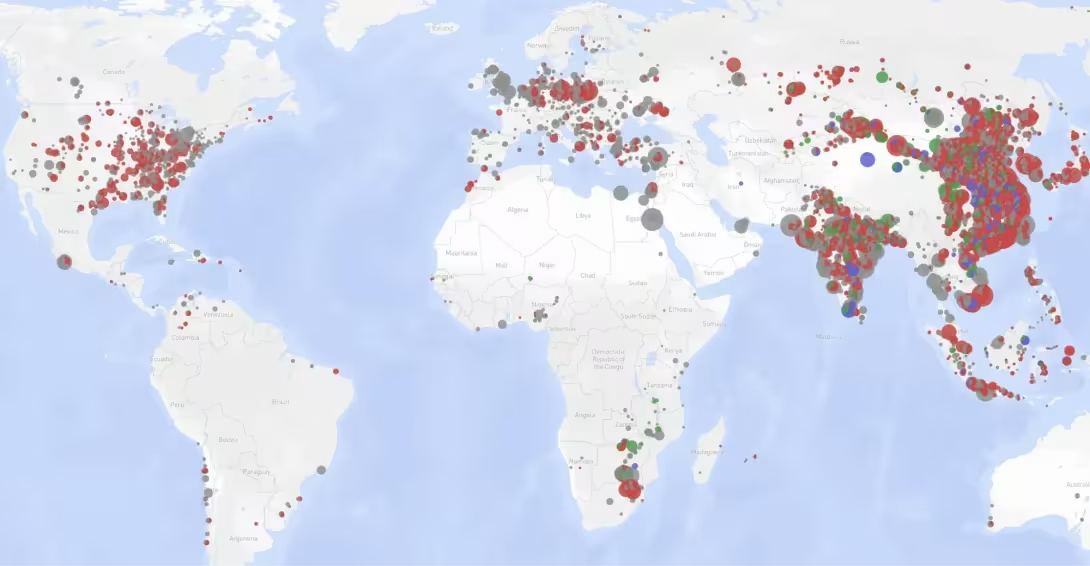
While mines and power plants are the most visible components of the global coal supply chain, dedicated ports and bulk terminals move large volumes of coal from production regions to domestic and international markets. The global coal trade depends on this network of export, import, and domestic terminals linking major producing regions with demand centers, particularly in the Asia-Pacific. The region hosts more than 200 terminals capable of handling at least 1 million tonnes of coal per year and accounts for about 85% of global coal imports. China, India, and Japan are the largest importers.
Major exporting countries such as Indonesia, Australia, and Russia rely on terminals to move coal from inland mines to seaborne markets. Indonesia alone has 48 large terminals and exported more than 550 million tonnes of coal in 2024, making it the world’s largest exporter.
Because export terminals concentrate large coal flows in a few locations, they are frequent targets of both industry investment and climate activism. The United States and Australia have seen the most cancelled projects. Across the two countries, 29 proposed terminals representing more than 650 million tonnes of annual capacity have ultimately been scrapped.
The International Energy Agency estimates that international coal trade reached a record high in 2024, accounting for about 18% of global coal demand, and is projected to decline in the coming years as thermal coal shipments fall while metallurgical coal trade remains more resilient. GEM’s dataset provides information on terminal capacity, location, ownership, and development status, helping clarify where coal transport infrastructure exists, who controls it, and how it may change as coal demand shifts and energy systems transition.
Global coal terminal capacity would be 19% higher if 1,180 Mt of projects had not been paused or scrapped.
New or expanded terminals equal to one-fifth of operating capacity remain under development across nearly a dozen countries
What's inside?
The most recent release of this data was in January 2026.

Meet the team
If you have questions about this project, please contact the Program Director, Flora Champenois.
Get in touch

Related projects
The Global Coal Mine Tracker catalogues coal mines worldwide, with an emphasis on operating, inactive, and proposed assets across various production c...
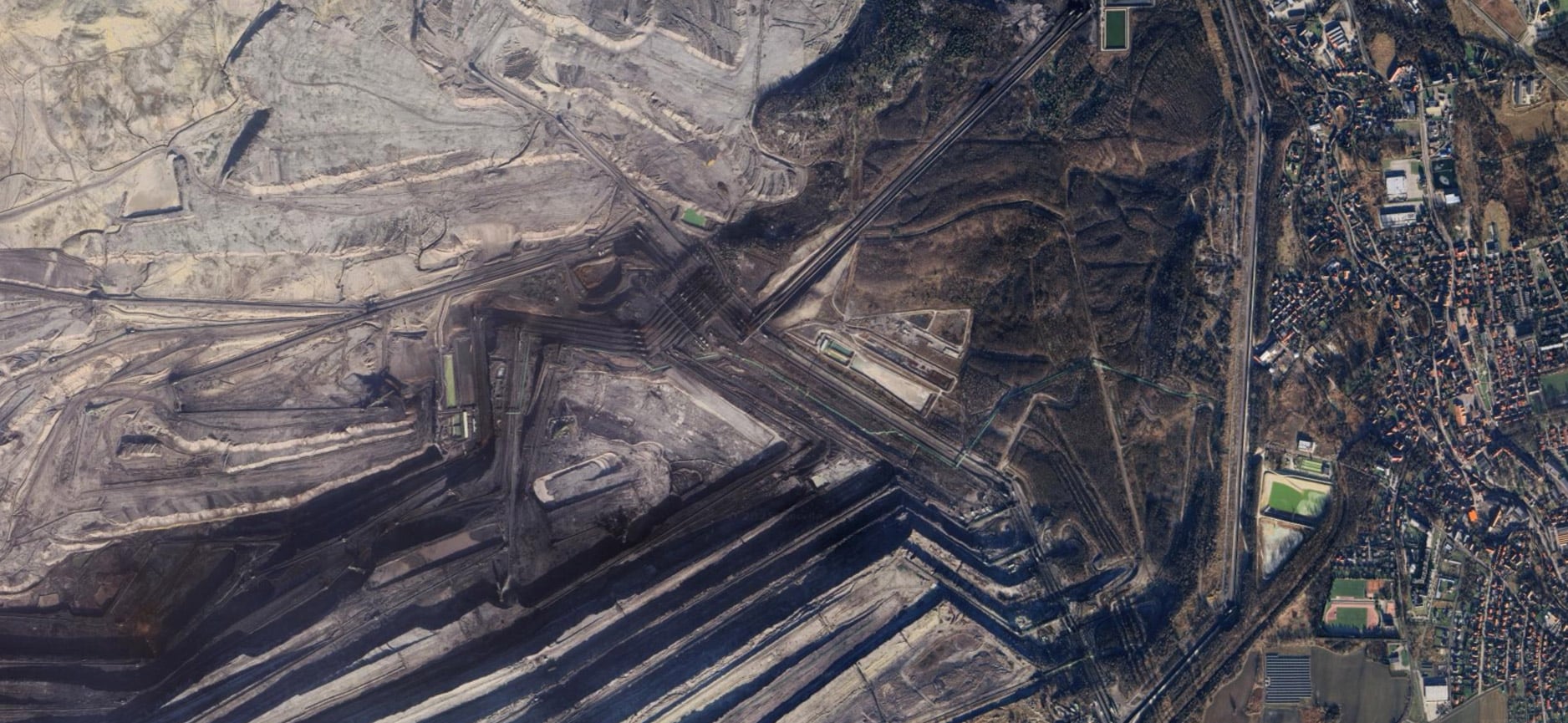
The Global Methane Emitters Tracker provides estimates of methane emissions at fossil fuel facilities worldwide and analyzes which specific facilities...
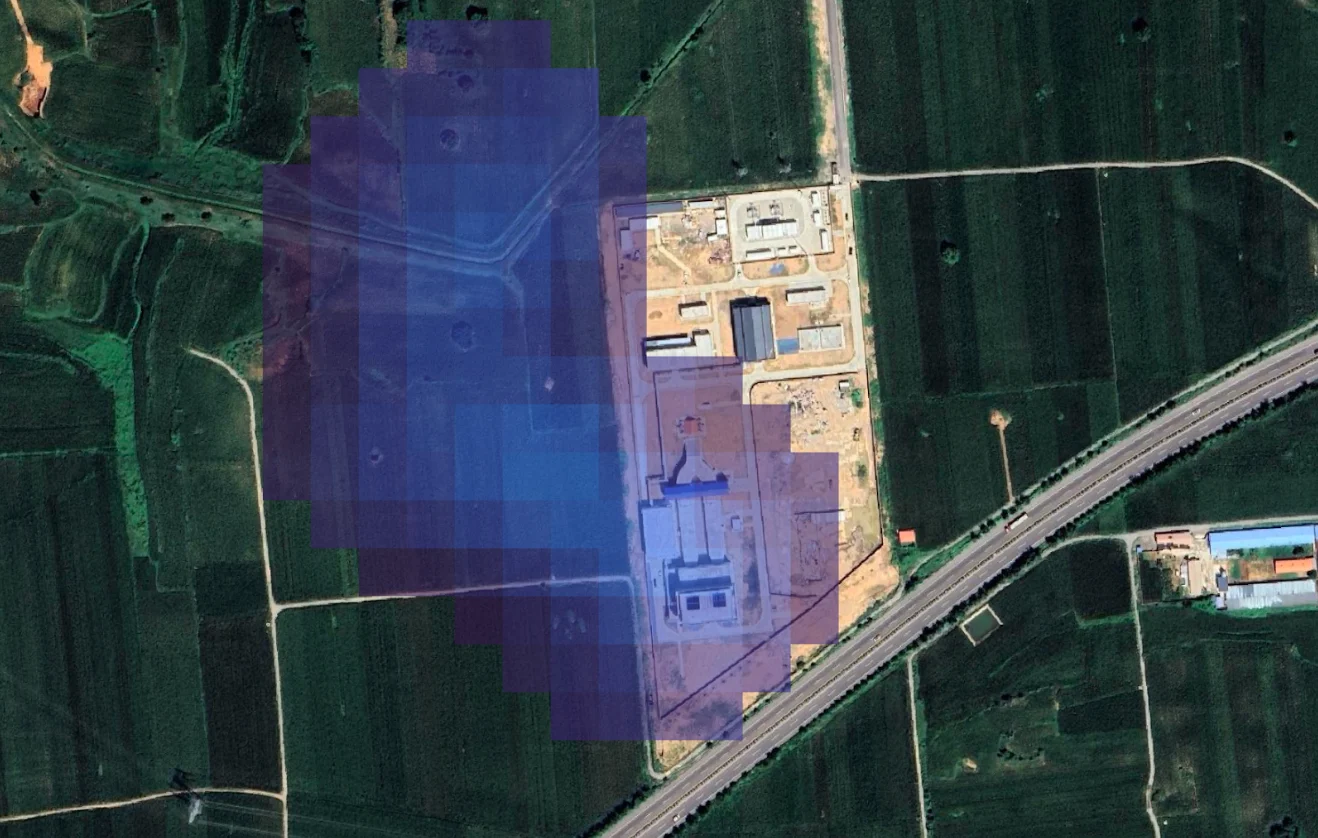
The Global Coal Plant Tracker catalogues coal-fired power units worldwide. The tracker monitors every unit with a capacity of 30+ megawatts, including...
Tracks global financial flows to coal power projects, identifying lenders, investors, deal terms, and financing timelines at the asset level.
Insights and updates
The latest news and resources from GEM.

Methodology
The Global Coal Terminals Tracker (GCTT) uses a two-level system for organizing information, consisting of data points in tabular format and project profiles hosted on GEM.wiki with further information.
Frequently asked questions
Contact
For questions about the Global Coal Terminals Tracker, contact Flora Champenois: