

How do you convince governments to hand over billions for climate action in another country?
This is a challenge my colleagues and I had to solve when we were tasked with helping Indonesia develop its Comprehensive Investment Policy Plan (CIPP) as part of the globally supported Just Energy Transition Partnership (JETP). Before I became GEM’s second Executive Director in the summer of 2025, I was the Managing Director for the Global South Program at RMI, one of the largest energy transition think tanks in the world. And it was in this role that I first put GEM’s data to work and saw how instrumental it is to advancing the world’s transition to clean energy.
During my time at RMI, several countries joined together in 2022 to form the world’s first JETP. The U.S., U.K., Germany, Japan, Indonesia, and other nations developed this partnership “to create an ambitious and just power sector transition in Indonesia, consistent with keeping the 1.5 °C global warming limit within reach” (usembassy.gov). RMI and other partners were brought in to provide a common fact base underpinning Indonesia’s plan that this consortium of countries would adopt and invest in.
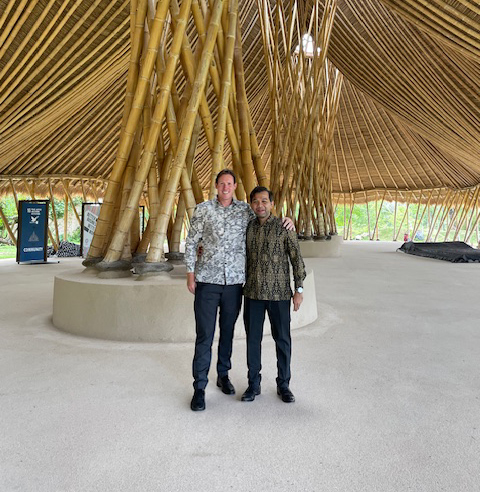
Justin Locke and Rizky Fauziano, RMI Indonesia Country Manager
Through the JETP, we worked with individuals at the highest levels of the Indonesian government and PLN, the state-owned utility. Together we sifted through vast amounts of data in the process of developing a plan to identify coal projects for decommissioning that were uneconomical and contributing to pollution and climate change.
But there were gaps in the data, leaving out key information we needed to develop this plan. Facing tight deadlines, our team searched for external datasets to fill in the blanks in the government’s data. That’s when I first experienced the power of GEM’s open-access, asset-level energy trackers spanning infrastructure and resources across the globe. This data was instrumental to complementing the government’s data, directly filling the gaps that helped us finish this massive project.
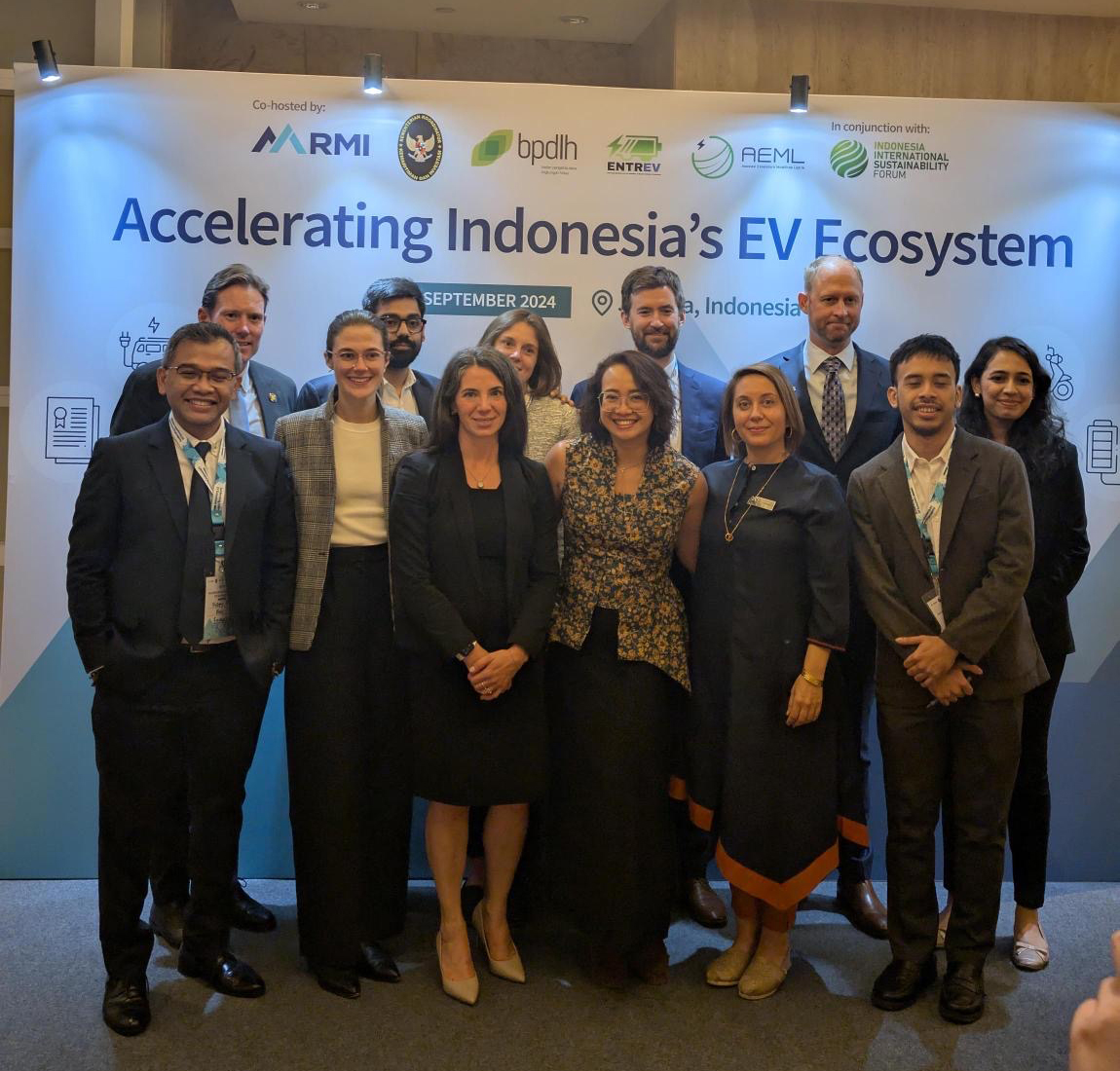
RMI Southeast Asia Team
The JETP created a $22 billion investment from international partners, initiating the cancellation of nearly 10 gigawatts (GW) of uneconomical grid-tied coal projects in the pipeline. GEM also leveraged partnerships on site to supplement the research process and ground truth the data—connections PLN itself did not have.
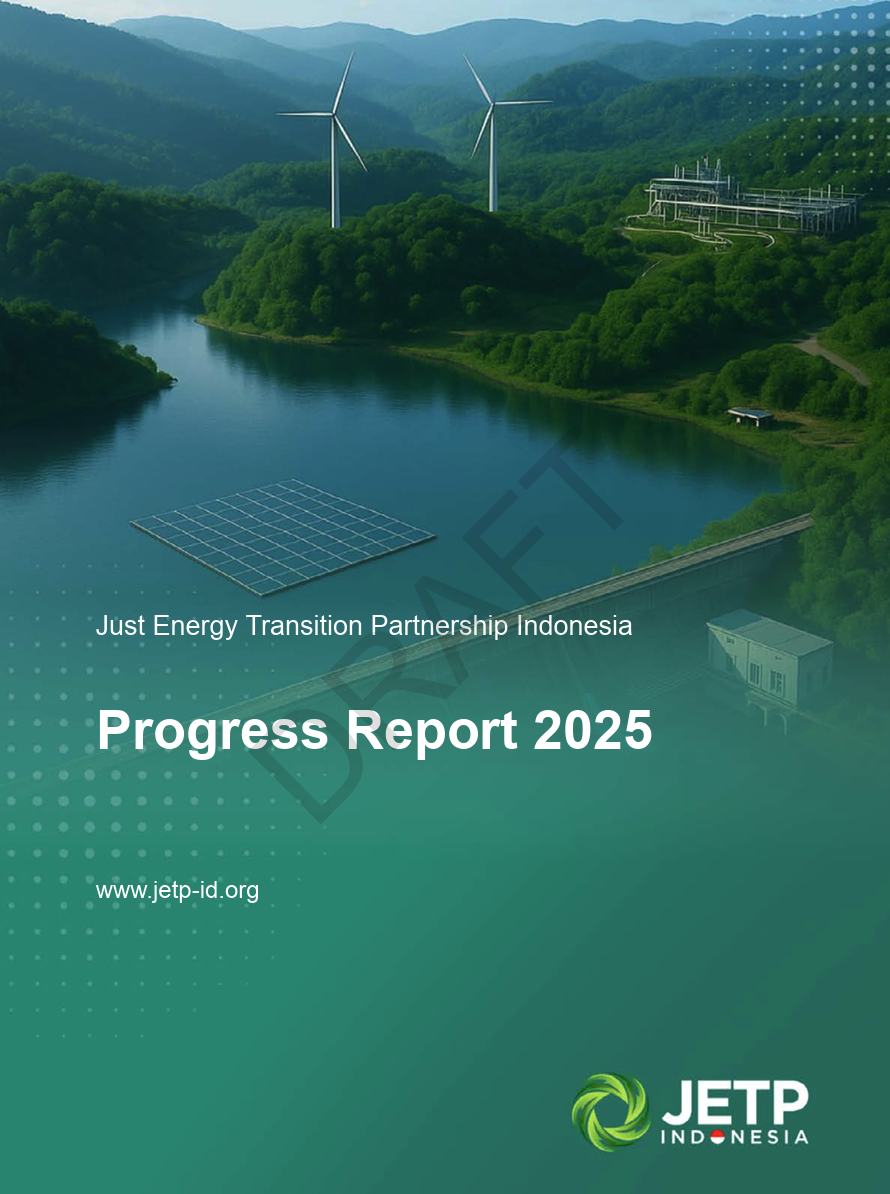
While the outcome of Indonesia’s initial CIPP received mixed reviews due to political realities, what is clear is that it might never have been completed with such rigor and clarity without GEM’s suite of coal trackers and datasets or its local connections in Indonesia. Without the work on this document, Indonesia’s continued commitment to the JETP implementation may not have survived its financial and policy hurdles. Just last week, Indonesia’s JETP Secretariat issued the program’s 2025 progress report and a call for public comment.
Wrapping up an 11-year career at RMI, where I was honored to help build out the Global South program, I was drawn to this role at GEM because of the organization’s mission and widespread impact. Open data is at the heart of combatting two core issues facing humanity: first, the increasing censorship and monetization of data coupled with the proliferation of misinformation; and second, the urgent need to accelerate an equitable energy transition.
We are in the messy middle of the energy transition, with the simultaneous buildout of fossil fuel infrastructure and renewable energy installations, often on colossal scales. That’s when this public information is more important than ever to underpin our public discourse..
For example, even while Indonesia cancels some coal plants, it continues to receive international backing, largely from China, for developing its nickel industry. A report from GEM’s Global Integrated Power Tracker found that Indonesia was the largest single recipient of investment under China’s Belt and Road Initiative in 2024, and almost all of that investment was directed to the energy sector. The report revealed that BRICS countries, including Indonesia which joined as a full member in January 2025, have passed the threshold of at least 50% energy production from renewables; yet new BRICS members are building over ten times as much coal, oil, and gas capacity (25 GW) as wind and utility-scale solar (2.3 GW).
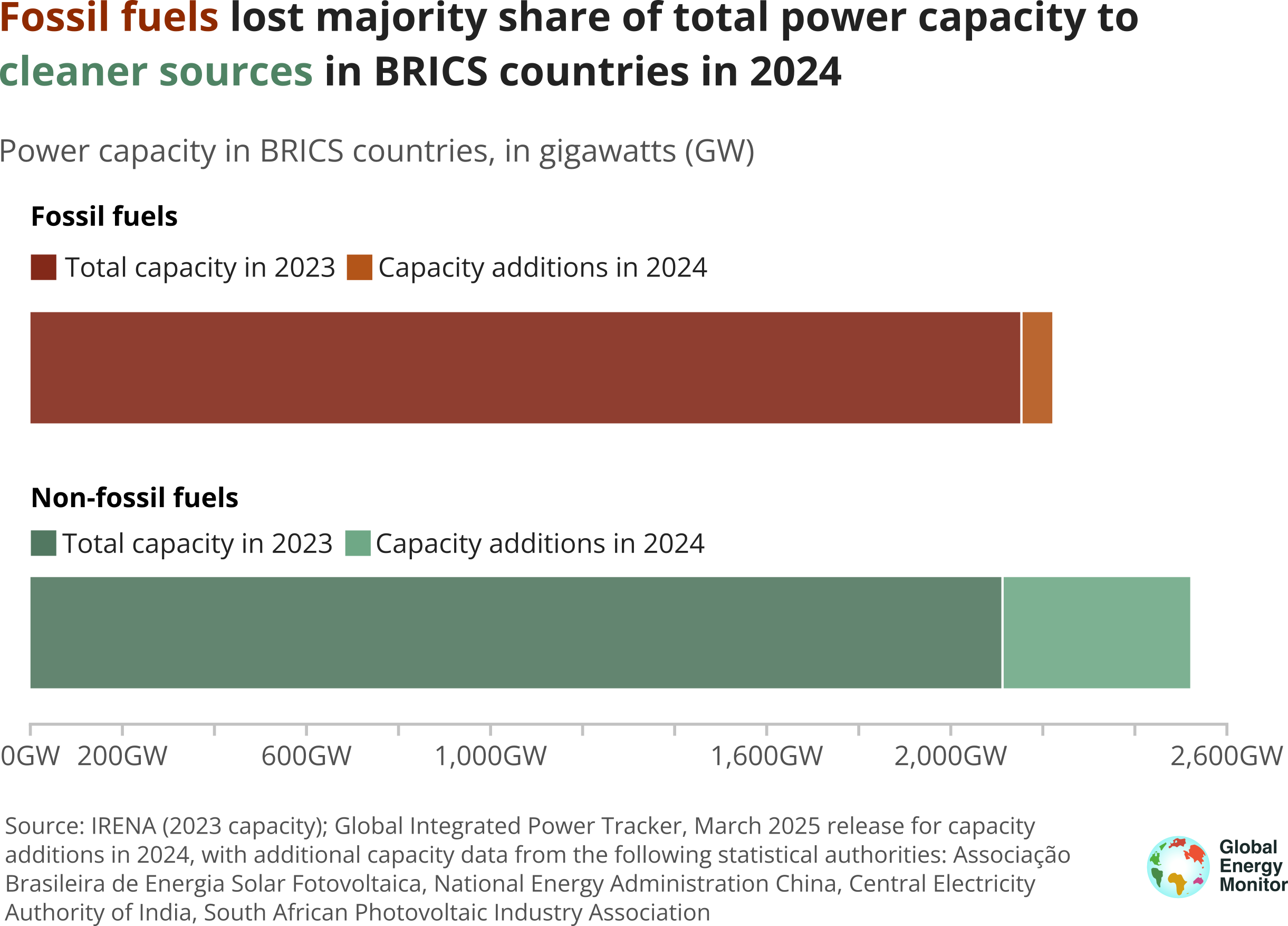
It’s this kind of in-depth analysis that unearths overlooked realities and helps steer the global dialogue on the energy transition, and it wouldn’t be possible without reliable datasets tracking every corner of the world’s energy sector.
Open data is fundamental to the entire energy community, and that comes with a great deal of responsibility. GEM’s role is to safeguard the facts, even as the world around us grows more uncertain. As public energy data on the world’s energy system is increasingly censored, I believe this work is needed more than ever.